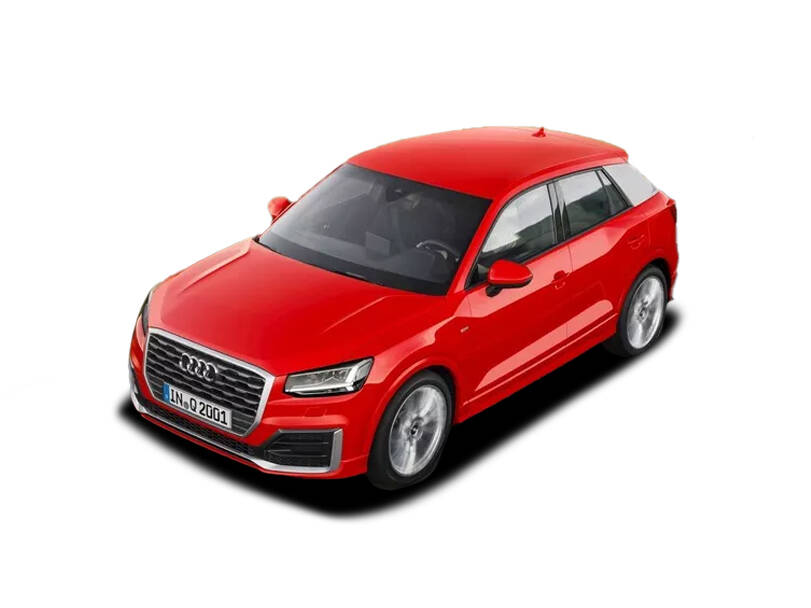
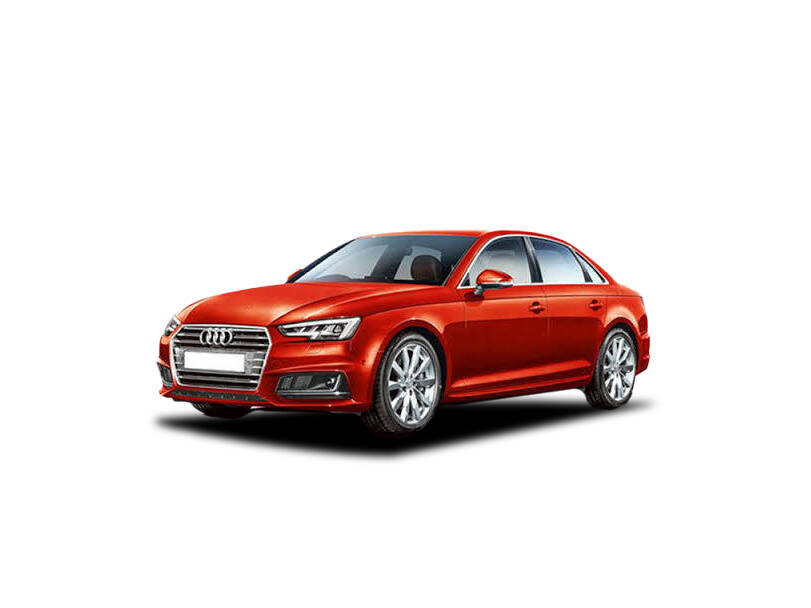
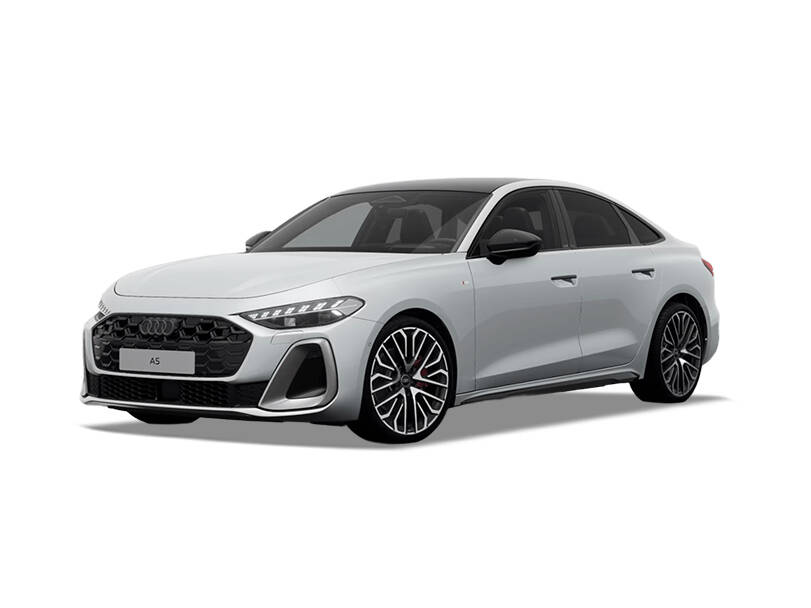
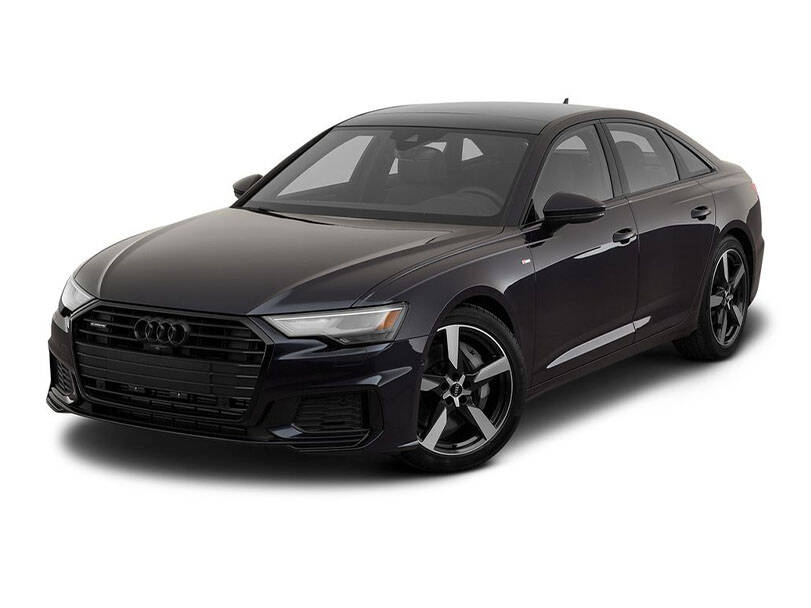
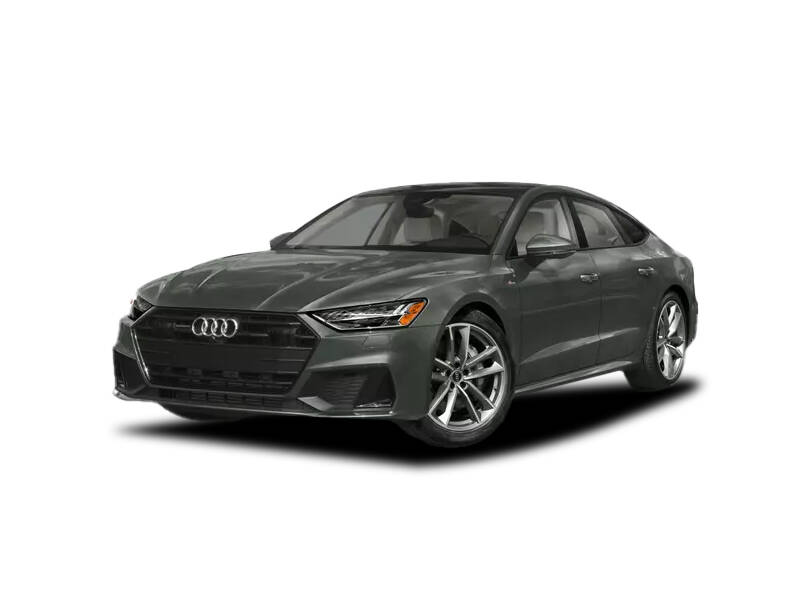
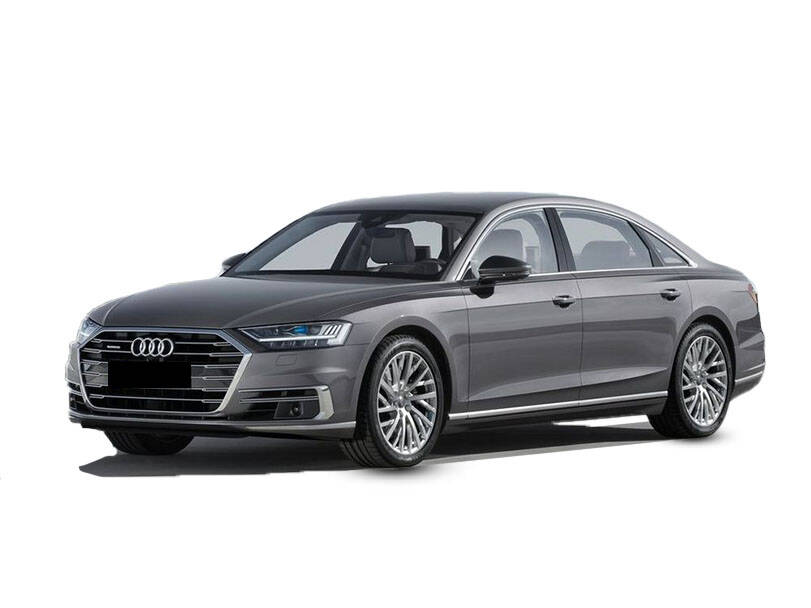
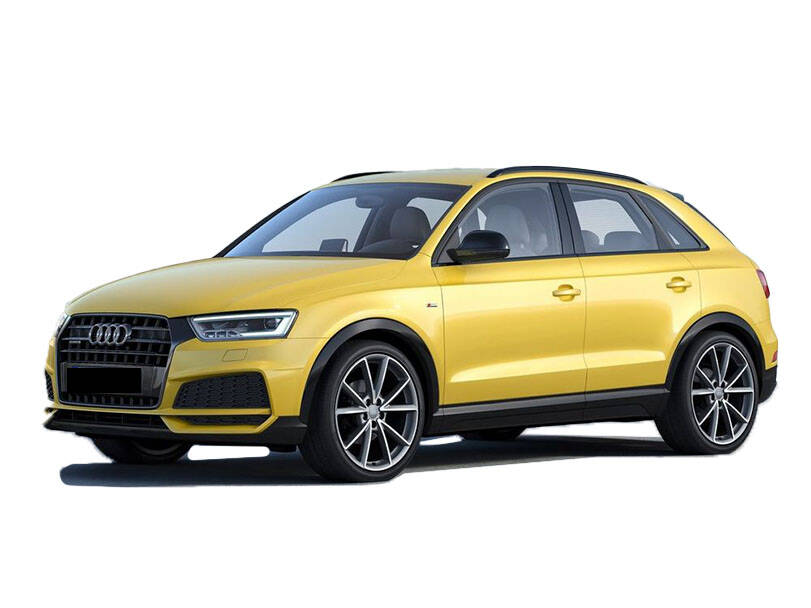
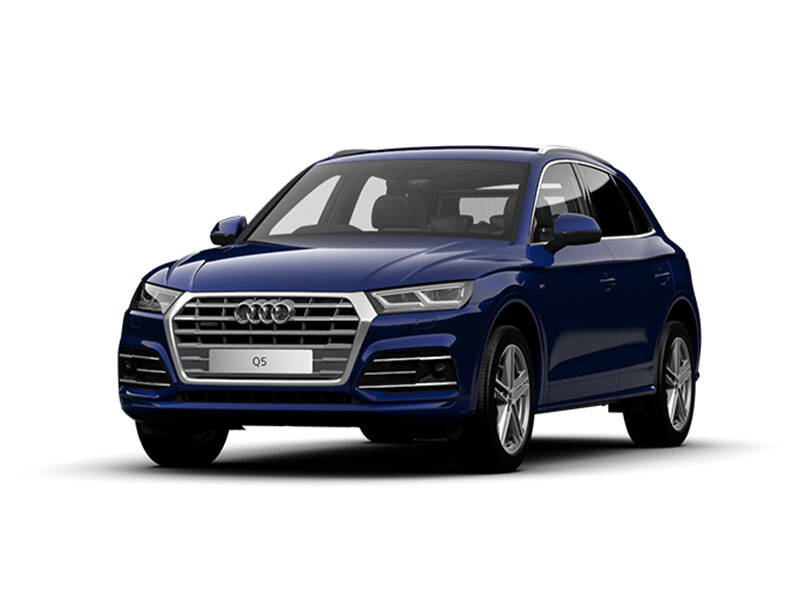
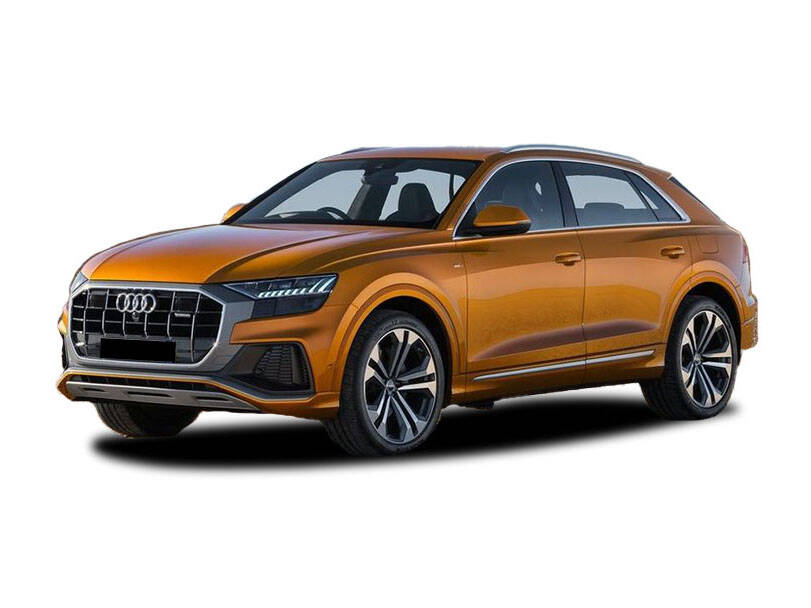
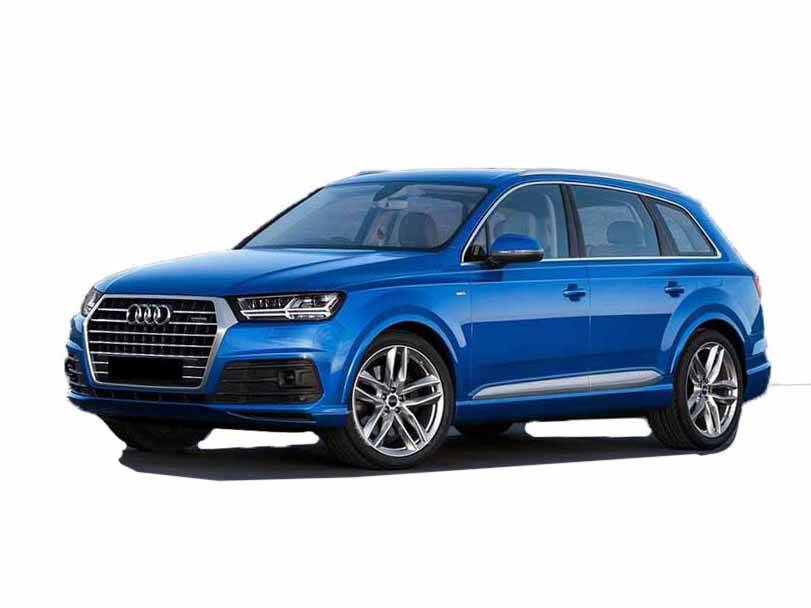
The 2026 Audi Q2 is a compact premium crossover designed for urban buyers who want a refined European alternative to mainstream SUVs without committing to a larger footprint. In Saudi Arabia, prices start from SAR 165,000 for the 35 TFSI 110 kW (150 PS) tiptronic.
The KSA Q2 is powered by a 1.4 L turbocharged petrol engine delivering 150 bhp, channelled through an Automatic gearbox. The single available trim — the 35 TFSI 110 kW (150 PS) tiptronic — positions the Q2 as a straightforward entry into Audi's SUV family, with the brand's characteristic clean interior design, a digital instrument cluster, and a compact cabin that seats 5. Fuel consumption is competitive on fuel efficiency for its class, though buyers primarily focused on running costs may want to compare options in the broader segment.
Pros: Audi's interior quality at this price point is hard to match — the Q2's cockpit feels noticeably more premium than similarly priced mainstream crossovers available in KSA. The smaller body dimensions are a genuine advantage in dense urban environments like Riyadh and Jeddah city centres. Cons: rear-seat space is limited compared to segment rivals like the BMW X1 or Mercedes-Benz GLA, making it better suited to front-seat occupants. A single-trim offering reduces choice for buyers looking to personalise their specification.
Resale value data for the Q2 in Saudi Arabia is limited given its niche positioning, so a precise retention figure is not available. The model's premium badge and low volume tend to support reasonable used values, though the GLA and X1 generally attract stronger secondary-market demand in KSA.
Buyers considering the Q2 in KSA also frequently look at the Mercedes-Benz GLA, BMW X1, and Volvo XC40 — premium compact crossovers at a comparable price point. The Q2 edges ahead on compact dimensions and cabin refinement, while rivals offer more rear passenger room and wider variant availability.
How much does the Audi Q2 cost in Saudi Arabia?
SAR 165,000 for the 35 TFSI 110 kW (150 PS) tiptronic, which is the whole 2026 list and the cheapest new Audi in the Kingdom. A single specification means no trim negotiation and no equipment gaps to plug with options — a rarity at this end of the premium market, where the advertised price is usually for a car nobody actually buys.
Audi Q2 or BMW X1?
The Q2 undercuts everything else wearing a German premium badge here, and it is the easiest of the small SUVs to thread through city traffic while still feeling properly built inside. The BMW X1 is bigger inside and better on a long drive. The Volvo XC40 is the comfortable, left-field alternative.
What does a Q2 cost to run in Saudi Arabia?
Very little by premium standards — a small turbocharged engine, 5 seats, modest tyre sizes and a short service list. The catch is coverage rather than cost: SAMACO Automotive handles Audi from Riyadh, Jeddah and Al Khobar, so if you live away from those cities the servicing convenience of a mainstream brand is worth weighing against the badge.
Does the Q2 hold its value, and what should you watch for as it ages?
It is one of the strongest performers in the range — about 51% after five years against roughly 39% for German premium SUVs here, and about 67% after three. Demand for small premium SUVs simply outstrips supply. As these age, it is the cabin plastics and the screen electronics that show wear rather than the drivetrain, so judge a used one on interior condition and service records.


 Hi Guest