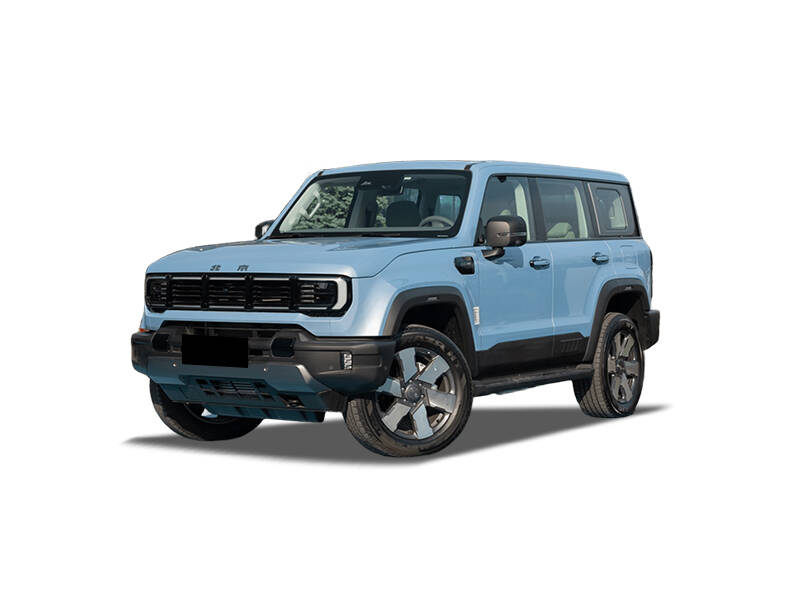
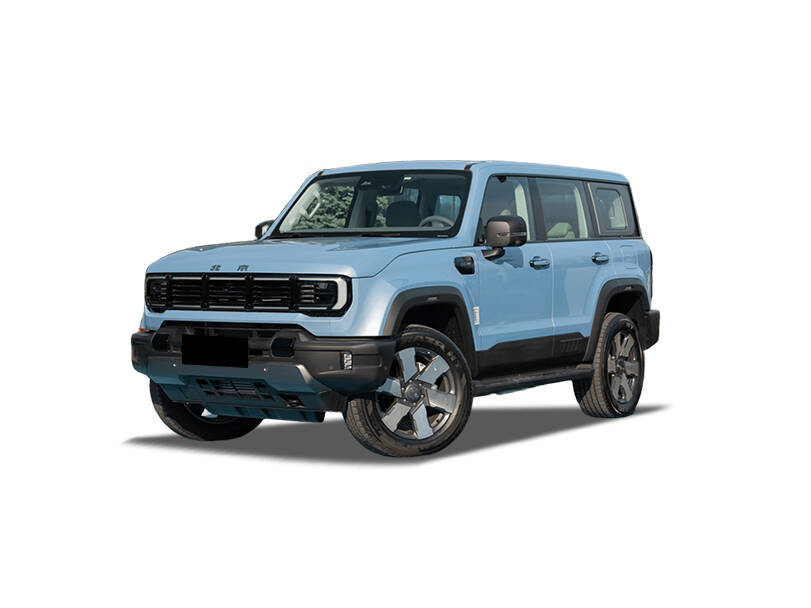
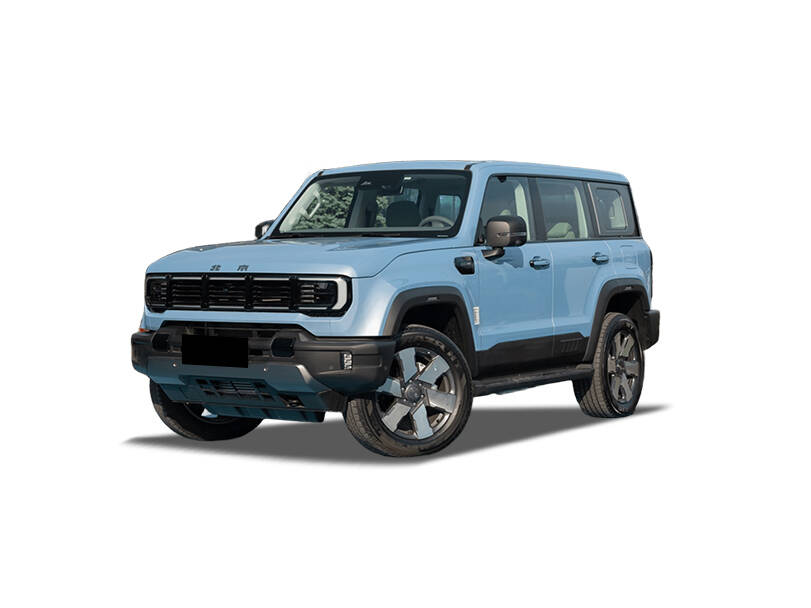
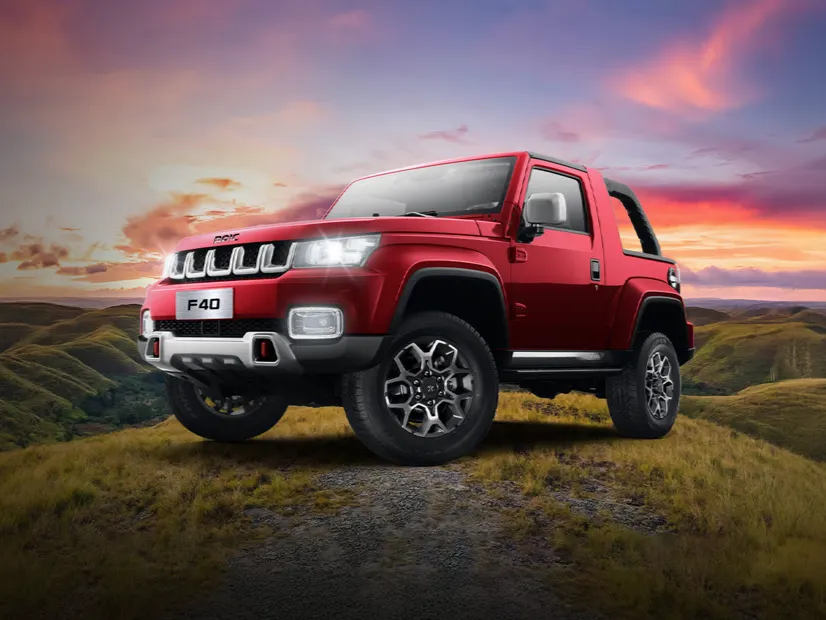
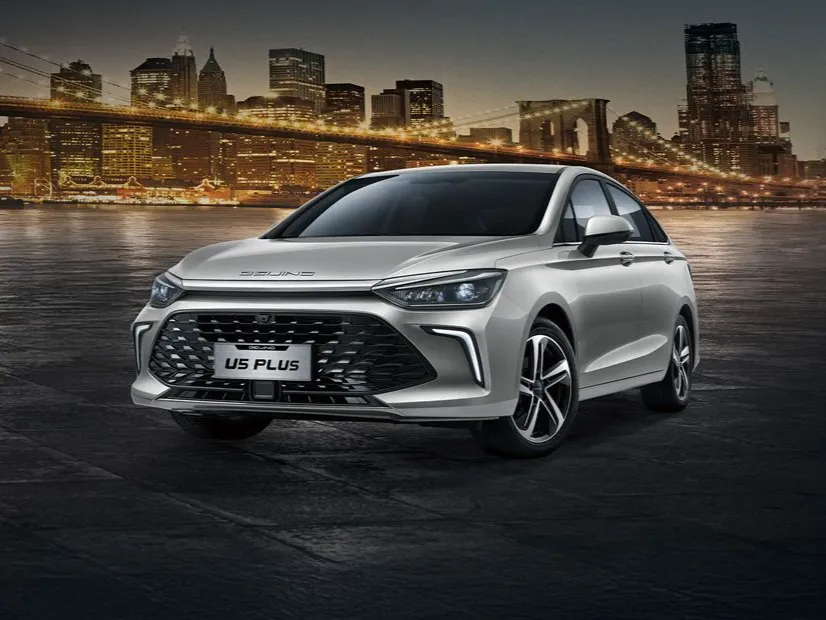
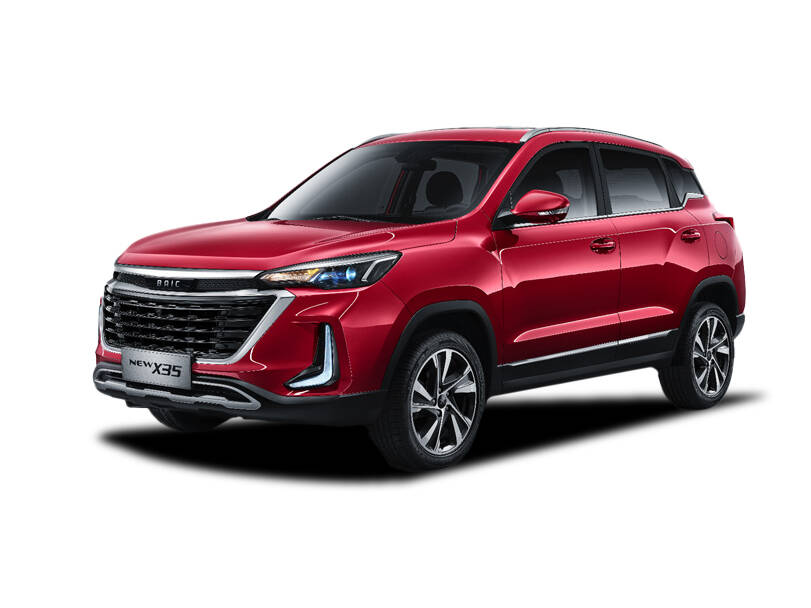
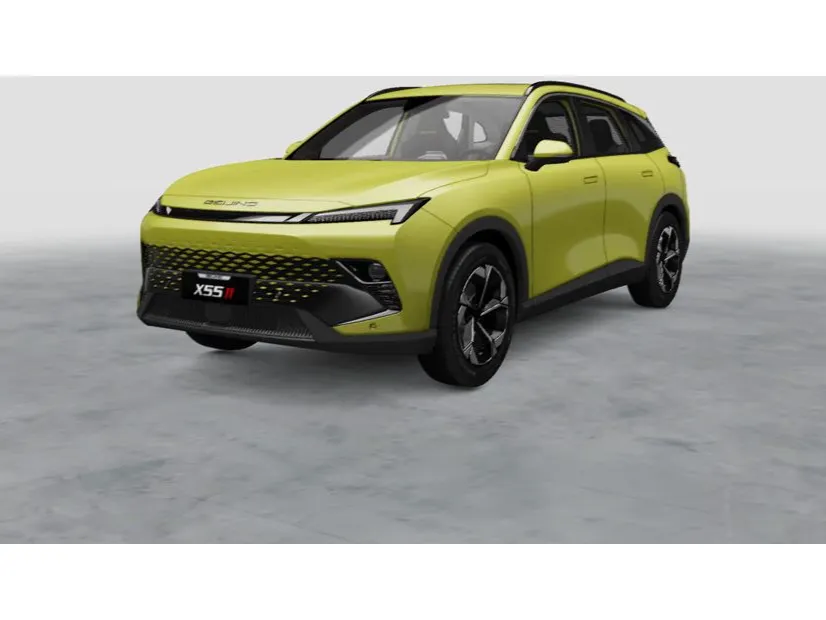
The 2026 BAIC BJ30 brings a bold, military-inspired compact SUV option to the Saudi market, targeting buyers who want strong performance and a head-turning design without the premium pricing of Korean or Japanese rivals. The single available variant — the LV2 (2WD) — is priced at SAR 103,489.
The BJ30 is powered by a 1.5 L turbocharged petrol engine delivering 185 bhp, mated to an Automatic gearbox — a pairing that gives it a meaningful power advantage over most competitors in this segment. With 5 seats and a cabin built around a rugged aesthetic, it appeals to buyers who want the SUV character to extend beyond the exterior. Currently the KSA range is focused on the LV2 (2WD) trim, which positions the car as a value-loaded single-grade offering rather than a tiered range.
Pros: 185 bhp from a compact turbocharged engine is a genuine differentiator at this price in the Saudi market — rivals like the Tiggo 4 and Coolray don't match it on outright power. The design is aggressive and distinctive in a segment that can feel samey. Cons: BAIC's service network across Saudi Arabia is still developing, which raises practical concerns for buyers outside major cities. The brand's residual value track record in KSA is limited, making resale harder to plan around compared to more established Chinese rivals like Haval or Chery.
As a recent entrant in the Saudi market, the BJ30 lacks sufficient resale data for a reliable retention figure. Buyers should approach resale expectations conservatively relative to more established rivals, while noting that BAIC is actively expanding its presence in the Kingdom.
Buyers comparing the BJ30 in Saudi Arabia also look closely at the Chery Tiggo 4, Haval H6, and Geely Coolray — all well-established Chinese compact SUVs with broader service networks, though the BJ30 competes on power output and styling distinctiveness where those rivals are more conventional.
How much does the BAIC BJ30 cost in Saudi Arabia?
The LV2 (2WD) is the only version offered, at SAR 103,489. With no trims to weigh against each other, the useful comparison is external: line the standard equipment up against the mid-grade version of a mainstream rival, because that is the car it is genuinely competing with rather than the entry model it undercuts on price.
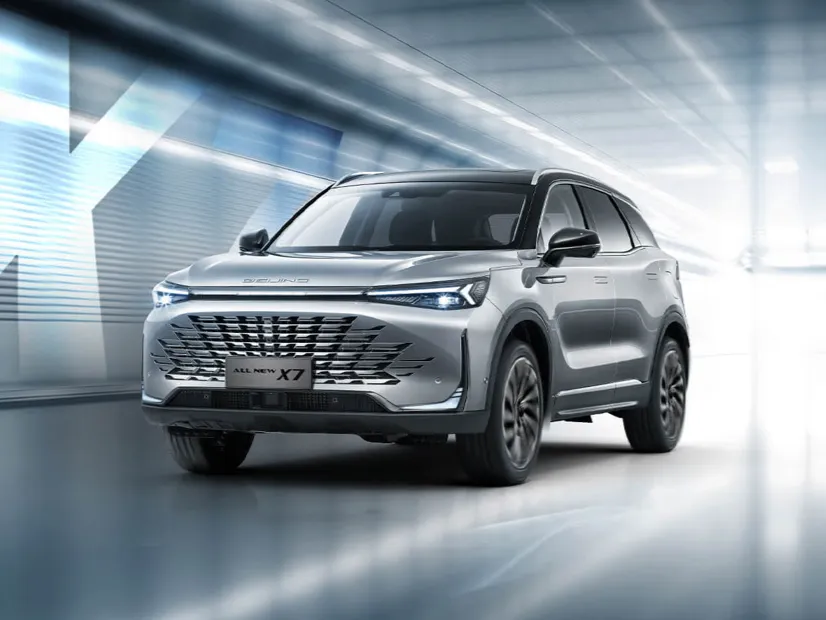
BAIC BJ30 or BAIC X7?
The BJ30 is the one to choose for its looks and its road manners together — it has the upright, purposeful appearance people want from this class without the compromises of a true off-roader, and it is comfortable on a long highway run. The BAIC X7 is the more conventional family SUV, with a longer body and a more usable rear seat for similar money.
What should you check before buying a BAIC BJ30?
Because it is two-wheel drive, be clear about what it is not: this is a car for graded tracks and the school run, not for dune driving. Then deal with the paperwork — the warranty term and its turbocharger coverage in writing, whether it transfers to a second owner, and how quickly a common part arrives if the workshop does not have it on the shelf.
What does a BAIC BJ30 cost to run in Saudi Arabia?
A 1.5 L turbo with 185 bhp in a mid-size body keeps fuel bills reasonable, and insurance follows the purchase price rather than the styling. Ask for the service interval in kilometres and a fixed price per visit before you sign, because that figure is the one that decides what the car really costs over four years.
Will a BJ30 be worth much in five years?
About as much as its peers: roughly 51% of the price, against 52% for Chinese brands here, with about 66% left at three years. There is no penalty for the badge and no bonus either. What separates two BJ30s is how the off-road hardware has been treated — underbody scrapes, bent skid plates, worn bushes and tyres run at road pressures on sand all show up on inspection long before the odometer does.


 Hi Guest