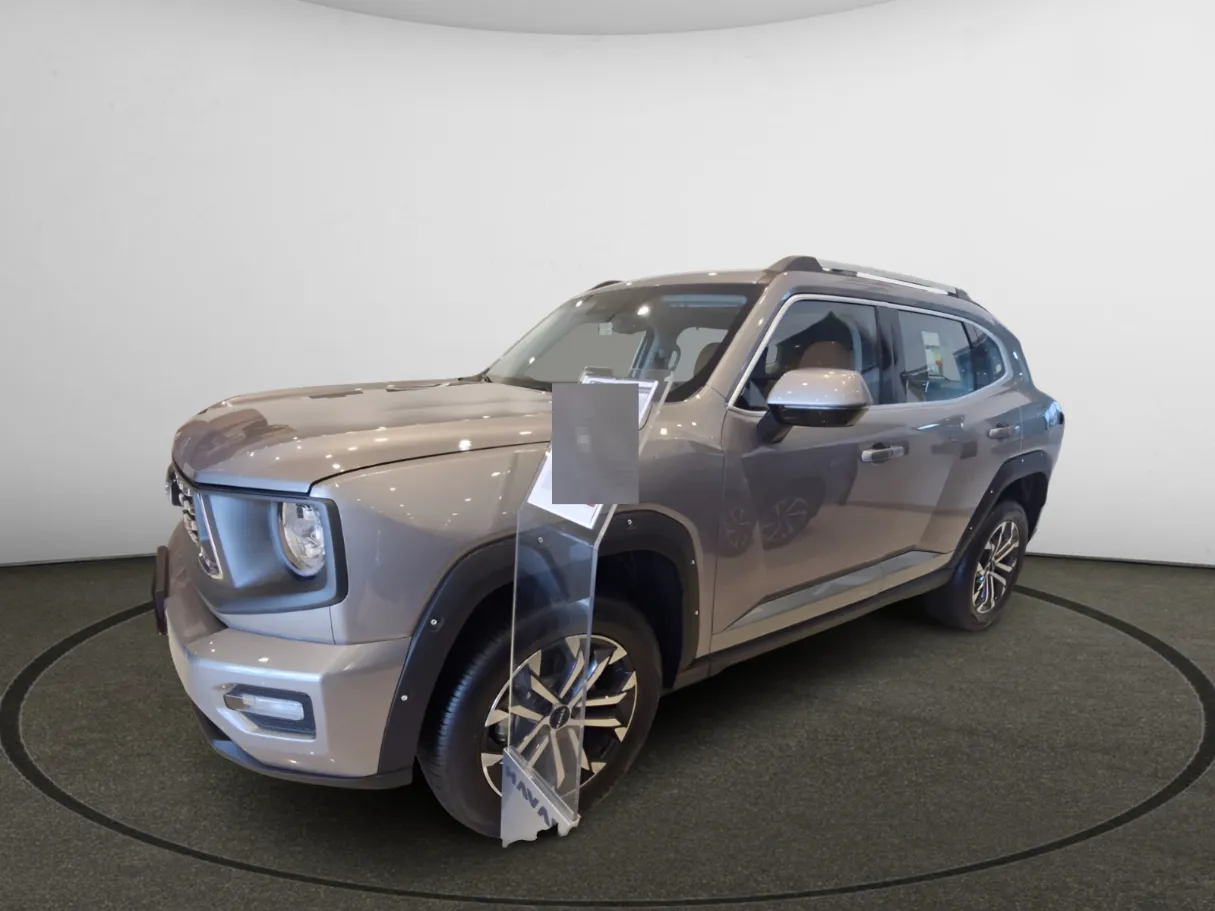
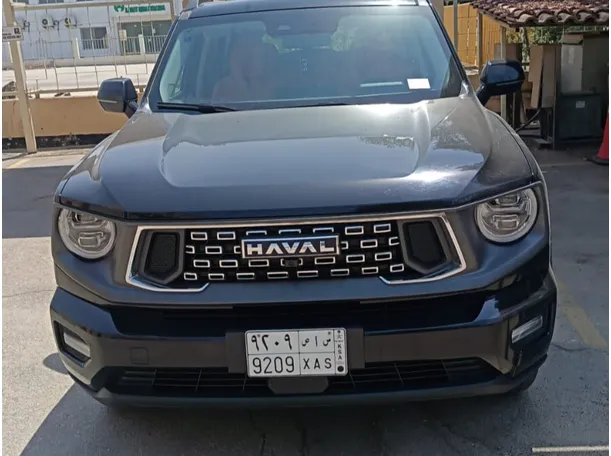
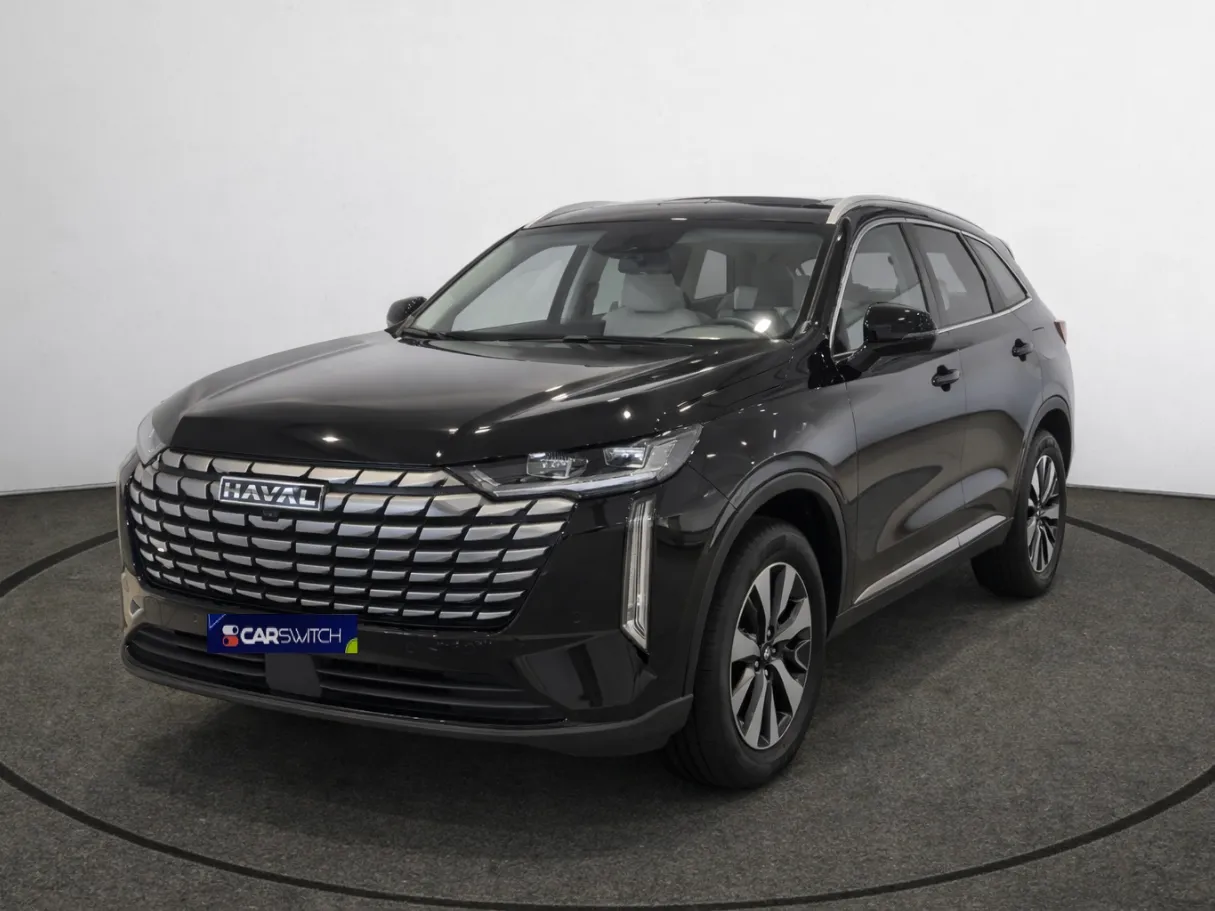
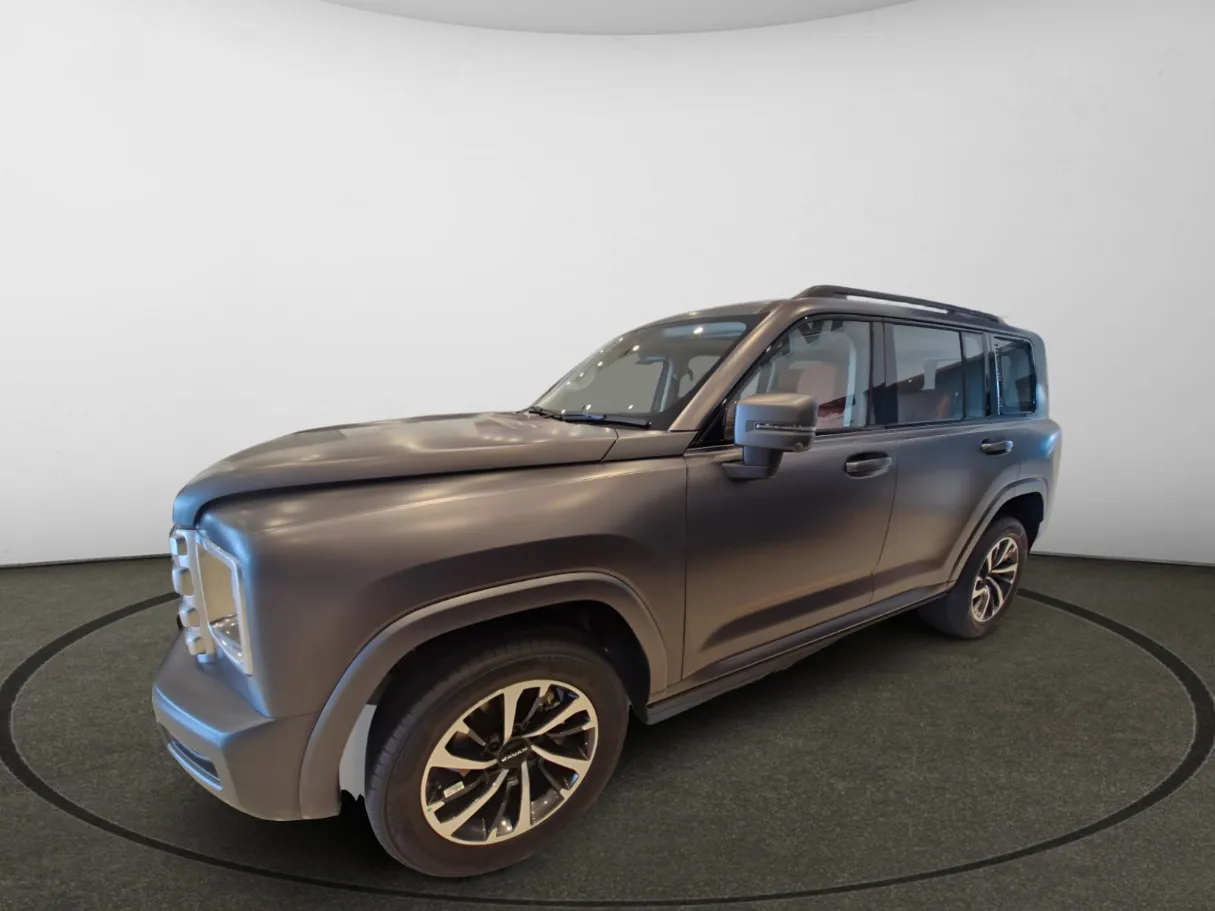
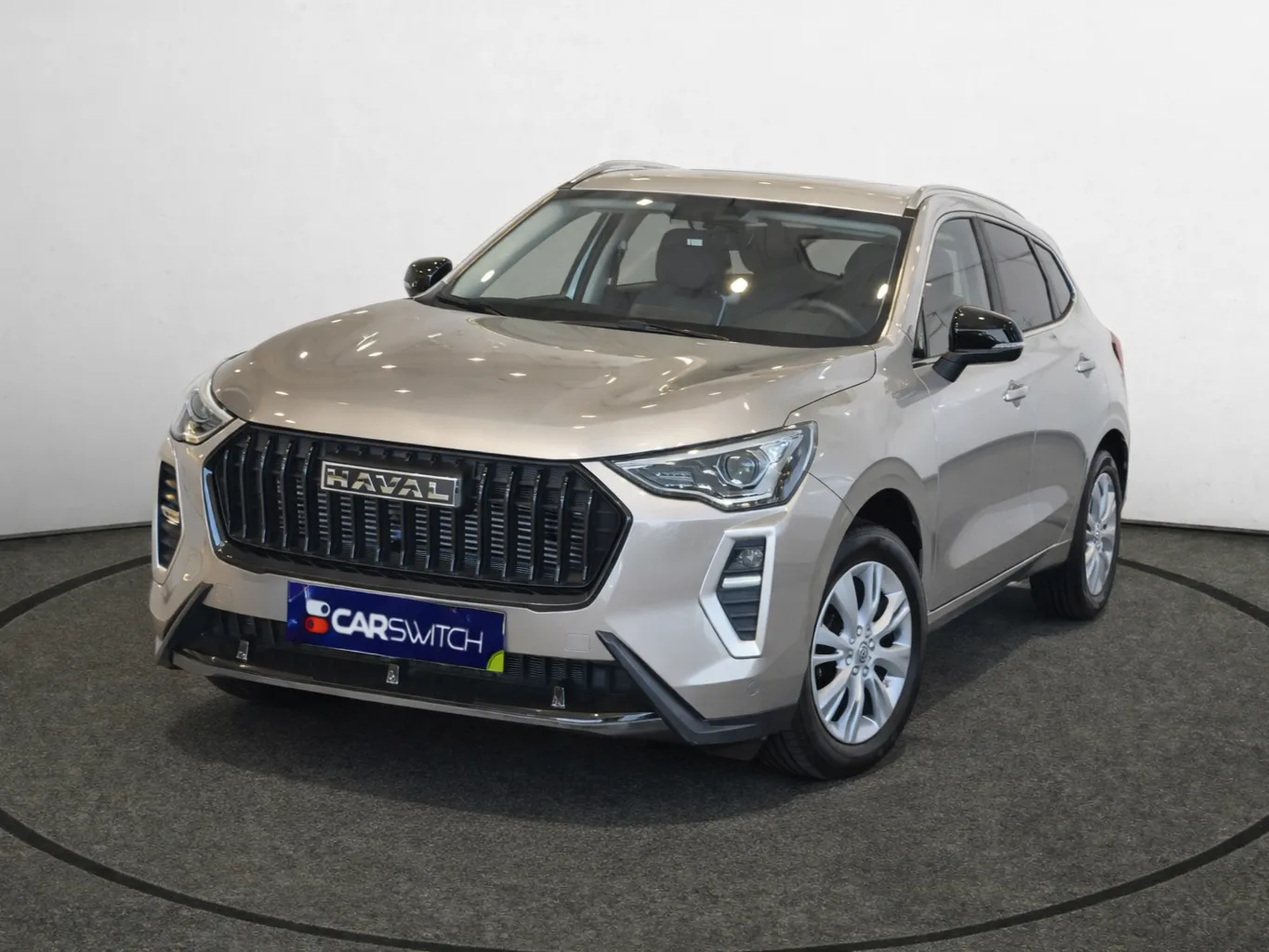
The Haval H7 enters the Saudi mid-size SUV market with a compelling combination of all-wheel drive, 228 hp, and a 9-Speed Dual-Clutch (DCT) as standard across the range. The 2026 H7 is priced from SAR 103,850 for the Adventure 4x4 2.0L Turbo (Top) up to SAR 121,095 for the Premium 4x4 2.0L Turbo (Top+), placing it in direct competition with the Kia Sorento and Hyundai Santa Fe at a notably lower starting point.
The Adventure 4x4 2.0L Turbo (Top) represents the entry point into the H7 range, bringing full AWD and the turbocharged petrol engine with the nine-speed DCT. Stepping up to the Premium 4x4 2.0L Turbo (Top+) adds a more premium specification including a richer interior fit-out, upgraded driver assistance features, and additional comfort and convenience equipment — meaningful additions that justify the price step for buyers planning to keep the car long-term.
Pros: the combination of 228 hp, AWD, and a 9-Speed Dual-Clutch (DCT) for under SAR 103,850 is a strong proposition in the Saudi market, where most rivals at this spec level ask significantly more. Equipment levels across both trims are generous by segment standards. Cons: Haval's after-sales network in the Kingdom, while growing, is not yet as widespread as that of Hyundai, Kia, or Toyota. The DCT gearbox, like most dual-clutch units, can feel slightly jerky when crawling in city traffic. Chinese-brand resale values in Saudi Arabia remain below those of mainstream Korean and Japanese rivals.
Resale data for the Haval H7 in Saudi Arabia is still limited, and a reliable retention figure cannot be quoted at this stage. As a general guide, Chinese-brand mid-size SUVs in the Saudi market currently retain less value after five years than equivalent Kia or Hyundai models, so buyers focused on total cost of ownership should weigh that alongside the lower purchase price.
The Tucson, Sportage and Territory are the natural alternatives here, sitting in the same segment at comparable prices.
How much does the Haval H7 cost in Saudi Arabia?
Two 2026 versions, SAR 103,850 for the Adventure 4x4 2.0L Turbo (Top) and SAR 121,095 for the Premium 4x4 2.0L Turbo (Top+), and both drive all four wheels. That is the important detail: there is no cheaper two-wheel-drive version lurking at the bottom of this price list, so the capability comes as standard rather than as an upgrade.
Which H7 trim is the one to buy?
The Adventure at the bottom, unless the extra cabin technology is something you would use daily. Both versions share the two-litre turbo, the 9-Speed Dual-Clutch (DCT) and the four-wheel-drive system, so nothing above the entry car improves what it can actually do — and on a vehicle bought for capability, that is the part that holds its value.
Haval H7 or Haval H9?
The H7 is the one to buy if you want off-road ability in a vehicle that still behaves like a normal SUV in the city — it is shorter, quicker and easier to live with day to day. The H9 is the serious choice if you need seven seats or genuinely rough terrain, while the H6 is cheaper and roomier if the four driven wheels are aspirational.
What does a Haval H7 cost to run in Saudi Arabia?
More than an H6 and for predictable reasons: chunkier tyres, extra driveline fluids and a heavier body to move. The gearbox is a dual-clutch, so establish its service interval and what the warranty covers on it, and confirm whether that cover transfers to a second owner. The badge is supplied through an appointed importer.
What is a Haval H7 worth later, and what should a used buyer check?
About 51% after five years, within a point of the Chinese-brand average here, so it neither leads nor lags its class. The used stock is very young — a median of roughly 11,000 km at inspection — which means almost every car on the market is still inside its warranty. Confirm that cover transfers to you, check the paint and interior trim for heat damage, and read the report on the individual car.


 Hi Guest