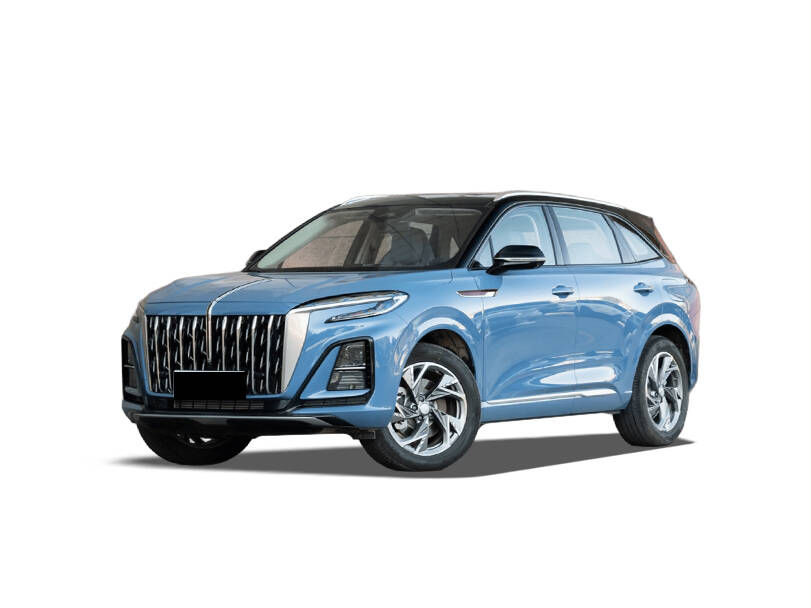
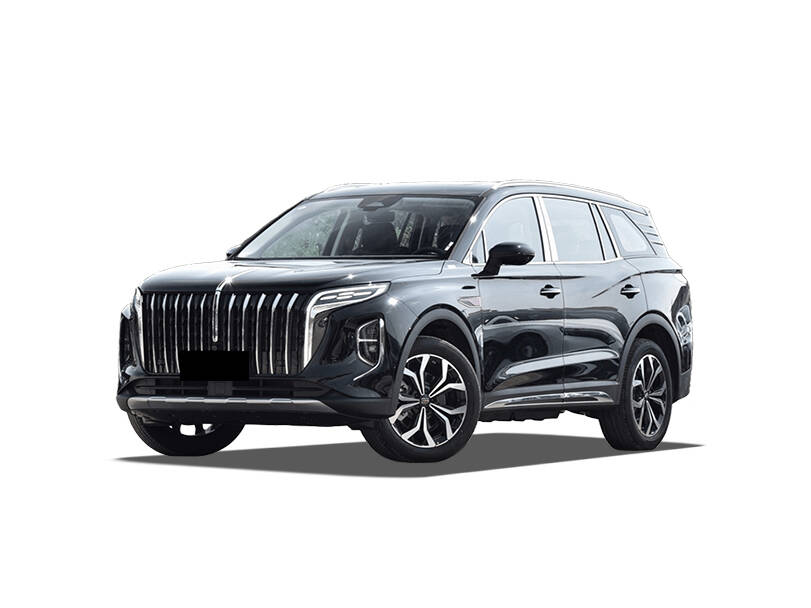
The 2026 Hongqi HS3 brings a hybrid-powered compact SUV option to the Saudi market, combining the prestige of China's flagship state brand with an accessible starting price of SAR 108,800, topping out at SAR 125,290 for the fully equipped variant.
The KSA-spec HS3 is powered by a 1.5 L hybrid unit producing 169 bhp, paired with an Automatic gearbox — a combination that should deliver competitive fuel efficiency for the class without the need to quote a specific figure. The entry-level 1.5T Luxury trim delivers a refined cabin with generous standard equipment for its price. The 2.0T 4WD Flagship Two Tone steps up with all-wheel drive, a two-tone exterior finish, and the full suite of comfort and technology features — a meaningful upgrade for buyers who regularly tackle varied road surfaces or simply want the most complete specification.
Pros: the hybrid powertrain gives the KSA HS3 a running-cost edge over purely petrol rivals in this segment, and the brand's premium interior presentation stands out against mainstream Chinese competitors at the same price. The five-seat cabin is well proportioned for family use. Cons: Hongqi's Saudi service infrastructure is still maturing, which is worth considering against brands with long-established dealer networks. Resale values are not yet well documented in the local market, making long-term cost forecasting less straightforward.
The HS3 is a recent arrival in Saudi Arabia and market-specific residual value data is not yet available — buyers should treat resale projections cautiously and compare carefully against rivals with more established local resale histories.
Buyers cross-shopping the HS3 in Saudi Arabia often also look at the Chery Tiggo 3, JAC S3, and Changan CS35 Plus — compact Chinese SUVs competing on value, features, and price. The HS3's hybrid powertrain and premium brand identity are its clearest points of differentiation, while those rivals typically offer wider service network reach across the Kingdom.
How much does the Hongqi HS3 cost in Saudi Arabia?
Four 2026 variants that resolve into two decisions. SAR 108,800 buys the 1.5T Luxury, SAR 125,290 the 2.0T 4WD Flagship Two Tone, and in each pair the higher figure is the two-tone paint finish. The real division is between the 1.5 L front-driven car and the 2.0-litre four-wheel-drive one above it.
Which HS3 trim is the one to buy?
The front-driven 1.5T, for most buyers. It has 169 bhp, which is more than a car of this size and weight needs in daily use, and it costs less to insure and to fuel than the 4WD car. Choose the Flagship only if you drive off tarmac often enough that the extra traction earns the difference back.
Hongqi HS3 or Changan CS35 Plus?
The HS3 feels like the more expensive car from the driver's seat — better trimmed, more solidly finished, and carrying a badge with genuine prestige behind it in its home market. The Changan CS35 Plus undercuts it and has been on sale here longer, so there are more workshops that have worked on one and more used examples changing hands to anchor its value.
What does a Hongqi HS3 cost to run in Saudi Arabia?
Cheap to fuel, cheap to insure, and the unknown is servicing rather than either of those. Get the interval in kilometres and a fixed price for the first three visits, ask how long a common part takes to arrive if it is not on the shelf, and establish where you would take the car for warranty work in the city where you actually live.
What is an HS3 worth after five years?
More than most of its rivals. The modelling puts it at about 66% of its price after five years, against roughly 52% for Chinese brands here, and about 78% at three years where the group manages nearer 67%. Small, cheap crossovers hold on well because the replacement cost stays low. The practical implication is that buying used saves less than the badge suggests, and that condition — tyres, brakes, service stamps — moves the price on a given car.


 Hi Guest