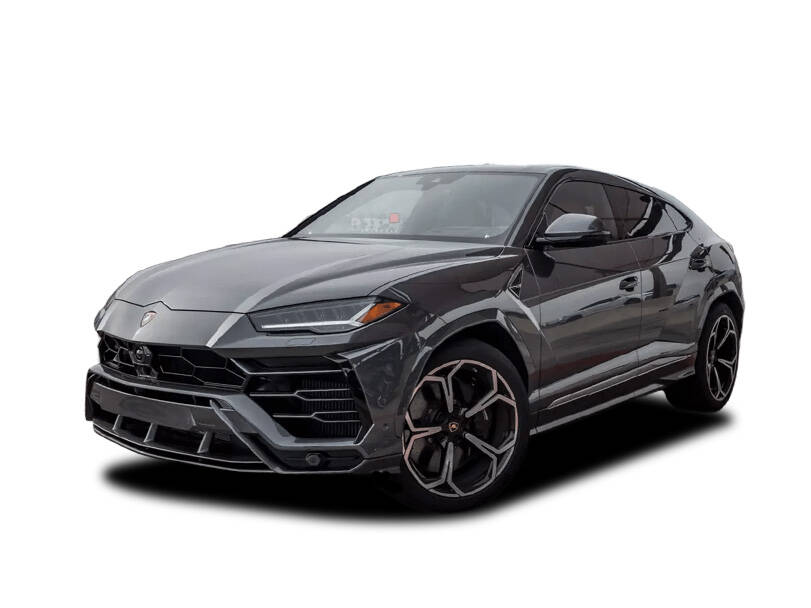
The 2026 Lamborghini Urus brings supercar energy to the super-SUV segment — 666 bhp from a twin-turbocharged 4.0 L engine, rear-wheel steering, and an interior that makes no apologies for being Italian. In Saudi Arabia, prices start from SAR 1,450,000 for the S, rising to SAR 1,897,000 for the SE (Plug-in Hybrid).
Power is sent through an Automatic gearbox with permanent all-wheel drive, and the ANIMA selector lets the driver flip between Strada, Sport, Corsa, Terra, Neve, and Sabbia modes — the last two are genuinely useful for the mixed tarmac-and-sand driving common in the Kingdom. The S is the entry variant and delivers the full performance experience with adaptive air suspension and carbon-ceramic brakes. The SE (Plug-in Hybrid) adds a plug-in hybrid system to the twin-turbo setup, boosting combined output beyond the standard car and adding an electric-only mode for short urban runs — a meaningful differentiator for buyers navigating Riyadh traffic before heading to the track. The Urus returns 14.1 L/100 Km on a mixed cycle for the standard variants — competitive on fuel efficiency for its class given the performance on offer.
Pros: the Urus is the only car in this segment that looks and sounds like a Lamborghini — the silhouette, the exhaust note at full throttle, and the interior atmosphere are unmatched by any rival SUV. The PHEV variant's electric range makes urban running meaningfully quieter and more economical. All-wheel drive with proper off-road modes genuinely handles desert terrain, not just loose gravel. Cons: the 4-seat configuration limits large-family practicality compared with seven-seat rivals. Tyre costs are significant — the standard Pirelli P Zero fitment wears quickly under spirited use. Servicing intervals and parts costs are among the highest of any SUV on sale in the Kingdom.
Ultra-luxury SUV demand in Saudi Arabia has kept Urus residual values strong — limited official allocation and consistent waiting lists mean well-specified examples depreciate slowly relative to the broader luxury segment.
Buyers also consider the Porsche Cayenne, BMW X6, and Range Rover Sport — all serious performance SUVs in an overlapping bracket. The Urus commands the highest price and the most visual drama; the Cayenne Turbo GT arguably matches it dynamically at a lower cost of ownership, while the Range Rover Sport offers more rear-seat space and greater long-distance comfort.
How much does the Lamborghini Urus cost in Saudi Arabia?
The ladder is not a straight climb in power: the middle rung is the firmer Performante and the top one is the plug-in hybrid. The S is the entry point at SAR 1,450,000, and the SE (Plug-in Hybrid) closes the list at SAR 1,897,000, so the choice is about character rather than output.
Which Urus is the one to buy?
The S covers almost every use: 666 bhp bhp, 850 Nm, air suspension and a ride that stays civil. Performante trades comfort for sharper responses and a firmer setup, which is a real compromise on long drives. The SE plug-in hybrid adds quiet low-speed running and is worth the premium only if you can charge at home.
Lamborghini Urus or Porsche Cayenne?
The Urus is the more theatrical and more distinctive car, and no rival delivers its presence — that is what the premium buys. The Porsche Cayenne is the better-driving and cheaper-to-own SUV with a far stronger resale record, and the BMW X6 does the same job for much less money.
What are the recurring costs?
Fuel of about 14.1 L/100 Km, and tyres, brakes and air-suspension work as the costs that recur — this is a heavy vehicle running supercar-grade components. Servicing belongs with the authorised network, and a complete stamped history matters here, because Urus buyers price documentation as closely as they price condition.


 Hi Guest