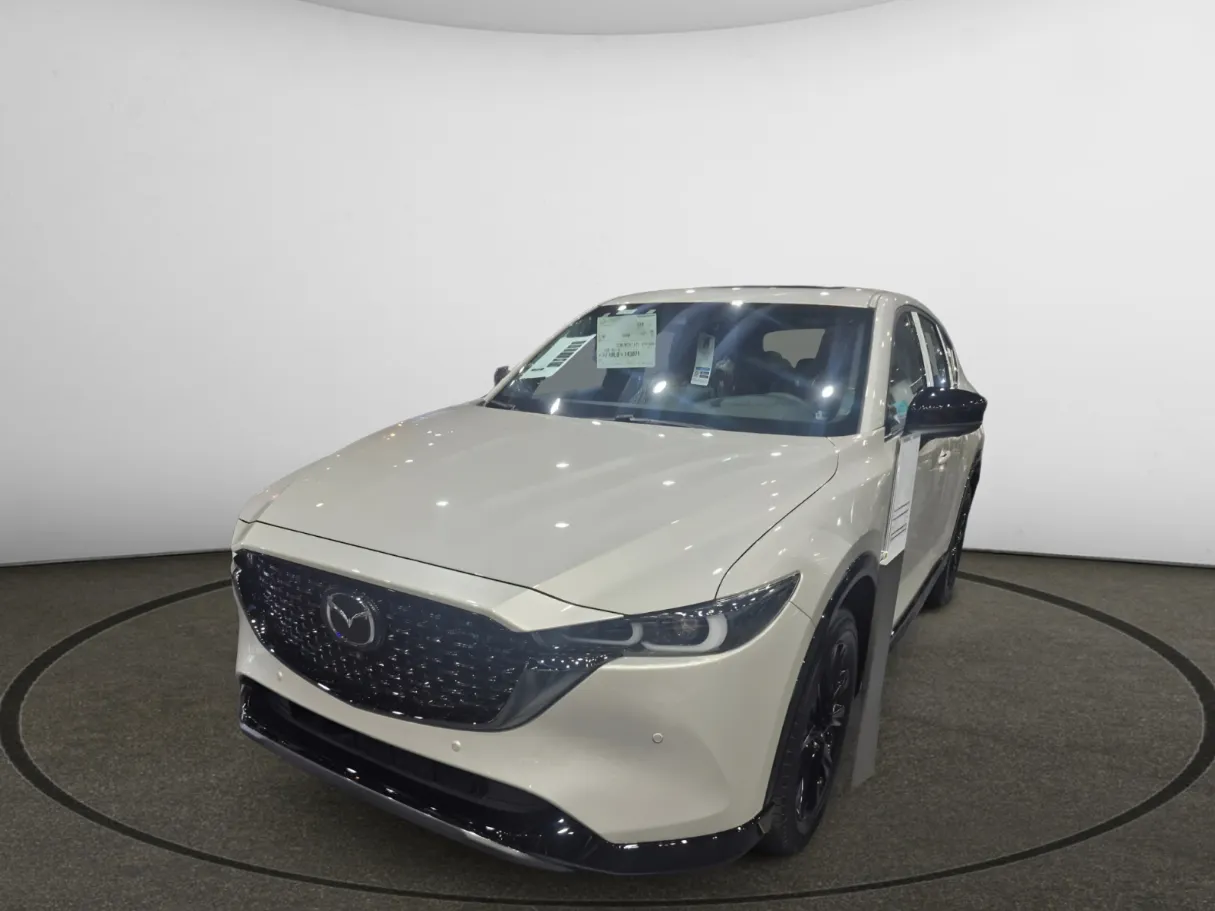
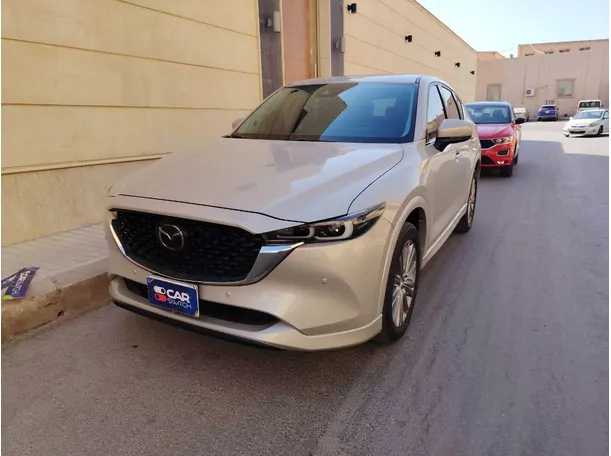
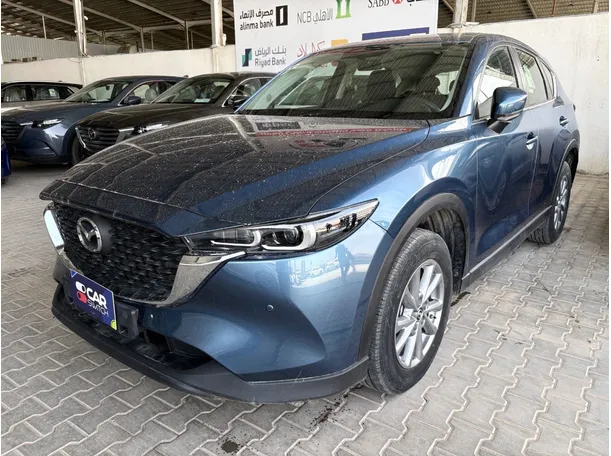
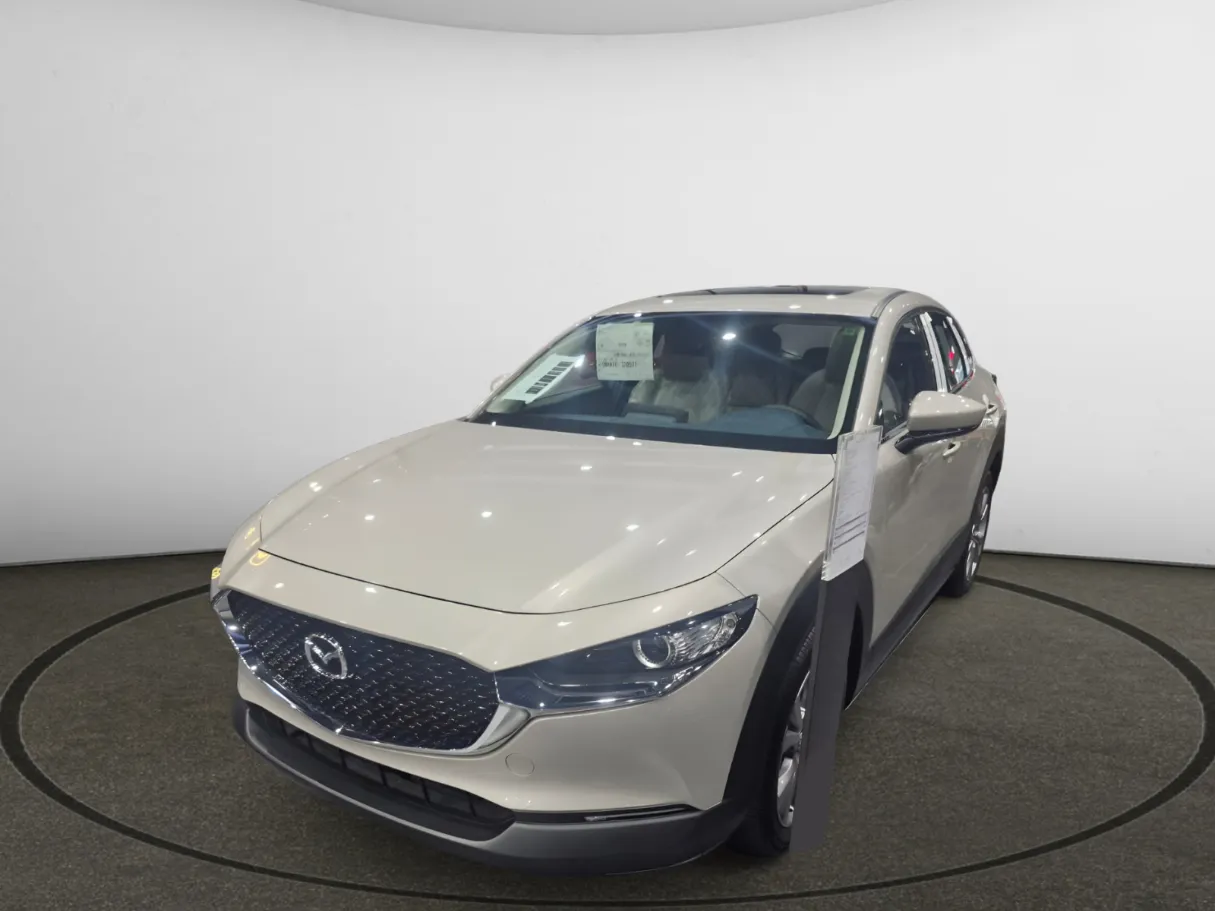
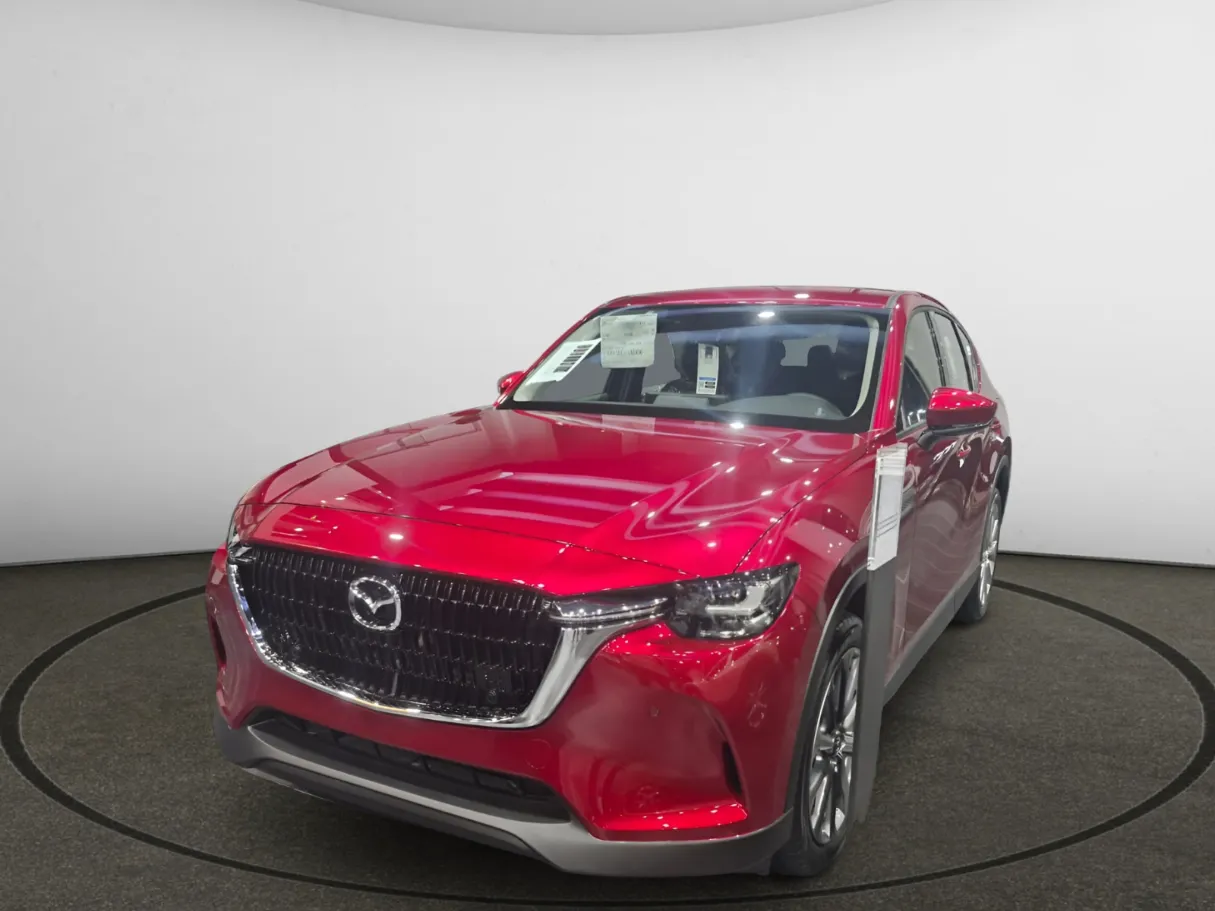
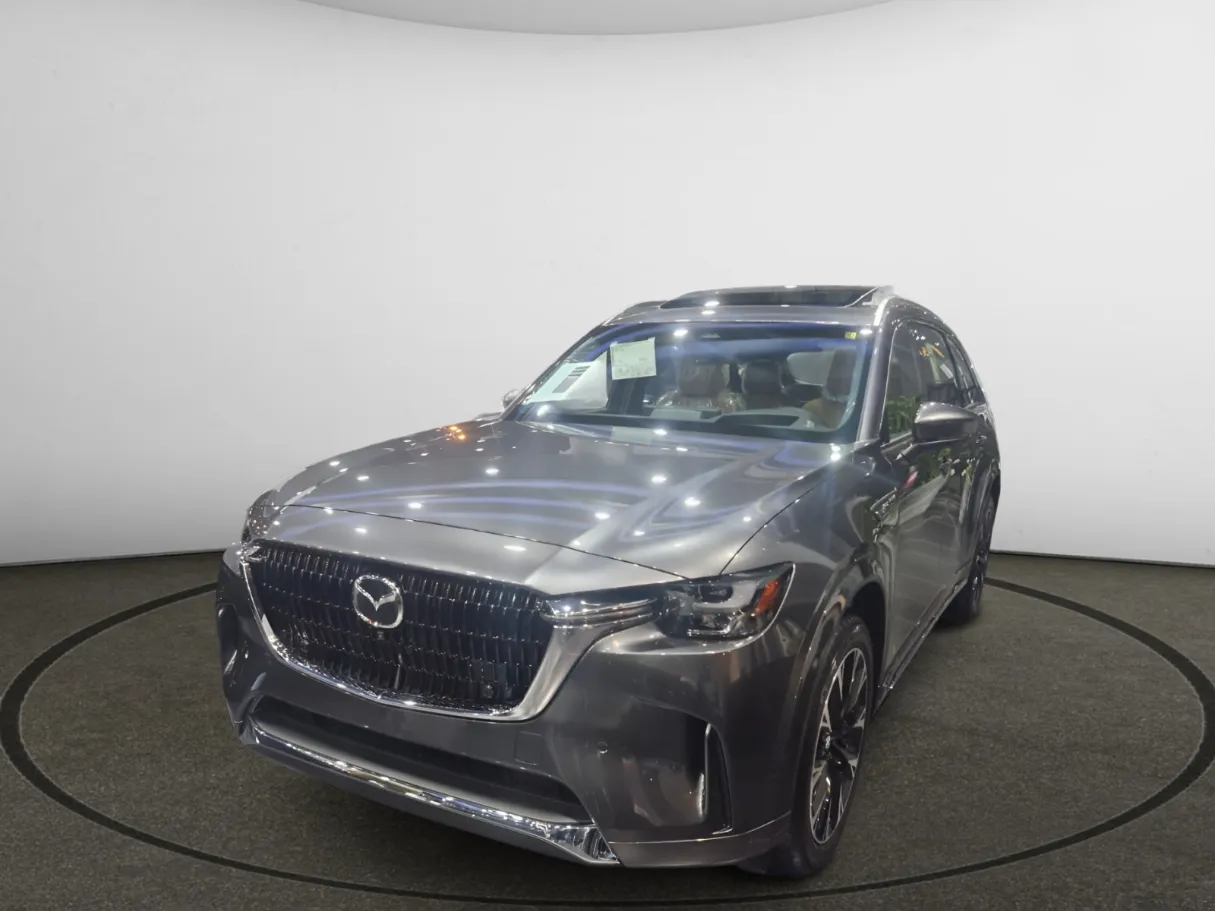
The 2026 Mazda CX-5 arrives in Saudi Arabia as one of the most premium-feeling family SUVs in its price class — pairing Kodo design, a near-luxury cabin, and a spirited drive in a package that starts from SAR 91,446 for the Standard (Base) and reaches SAR 129,396 for the High Plus (Top+).
The full KSA range is powered by the same 2.5 L naturally aspirated petrol engine delivering 188 bhp, mated to a six-speed Automatic. The entry Standard (Base) is well-equipped for everyday family use, but the High Plus (Top+) adds all-wheel drive, a panoramic sunroof, a Bose premium audio system, a 360-degree camera, ventilated front seats, and a larger touchscreen — a substantial step up that makes the top trim feel genuinely close to premium-segment offerings. Fuel efficiency is competitive for its class without a hybrid system on offer.
Pros: the CX-5's interior quality is hard to beat at this price in the Saudi market — soft materials, a low NVH cabin, and an intuitive rotary infotainment controller that is less distracting to use than rival touchscreen-only systems. The 5-seat cabin offers generous rear passenger space. Cons: the absence of a hybrid powertrain is a real gap compared with the Toyota RAV4 Hybrid, particularly relevant given fuel-efficiency awareness in the KSA market. Boot capacity trails the Honda CR-V. Wireless Apple CarPlay is not standard across all trims.
2022 CX-5 examples currently list from around SAR 78,000 on CarSwitch — roughly 15% below the new entry price, suggesting the model holds its value well in the used market.
Buyers cross-shopping the CX-5 in Saudi Arabia typically also consider the Honda CR-V, Toyota RAV4, and Hyundai Tucson — closely matched rivals in the same segment and price range, though the CX-5 leads on interior refinement while the RAV4 counters with a proven hybrid option and stronger resale data.
How much does the Mazda CX-5 cost in Saudi Arabia?
Four trims, all sharing the 2.5 L petrol engine and all-wheel drive. SAR 91,446 covers the Standard (Base); there is then a substantial jump to the High grade, after which Ignite and the High Plus (Top+) at SAR 129,396 add appearance and comfort items. The big step in this ladder is the second one, not the last.
Which CX-5 trim is the one to buy?
The High, if the budget stretches. It is where the equipment list becomes complete, and everything above it is largely cosmetic. The Standard (Base) is not a poor car — 188 bhp, the same chassis, the same boot — but it wears its low price visibly inside, which undercuts the reason to choose a Mazda in the first place.
Mazda CX-5 or Toyota RAV4?
The CX-5 is the better-driving and better-finished car, and on a long drive it is noticeably the quieter of the two. The Toyota RAV4 gives back more when you sell it and can be serviced in any city — the honest argument against the Mazda, and a strong one. The Honda CR-V is the roomiest of the three inside.
What does a CX-5 cost to run in Saudi Arabia?
Predictably. There is no turbo and no hybrid system, so servicing is simple and independent workshops are comfortable with the engine. What needs planning is where that servicing happens: Haji Husein Alireza & Co covers Jeddah and Riyadh, so owners in other cities should factor travel into the maintenance schedule.
Does the CX-5 hold its value, and what should you watch for as it ages?
Slightly below the Japanese mainstream — about 53% of its value after five years, against roughly 56% for comparable cars here. Durability is not the reason: the cars CarSwitch inspects run a median of around 70,000 km, and nothing in that data points to the 2.5-litre engine or transmission being a weak point. Accident history is what varies most between individual cars at this age, and that is what the inspection report exists to surface.


 Hi Guest