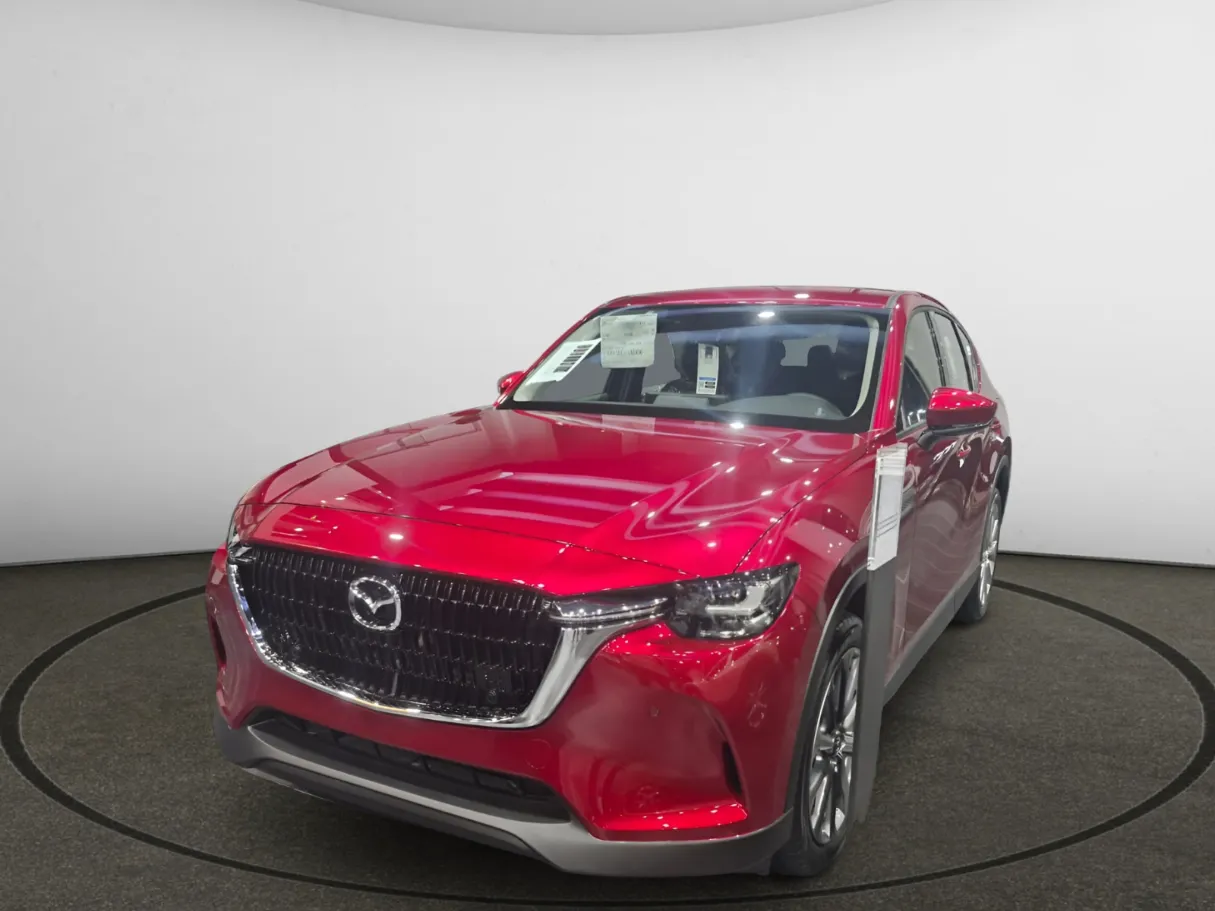
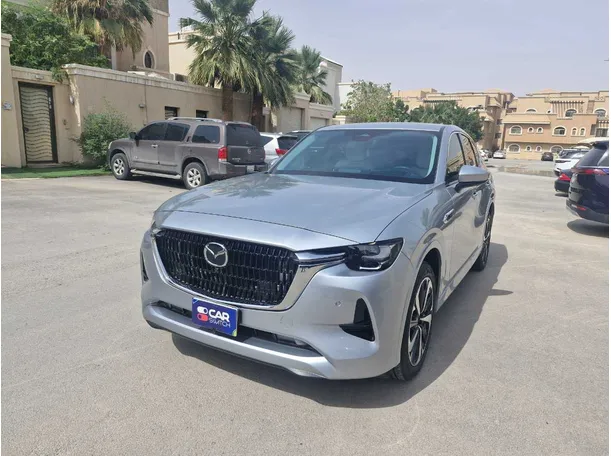
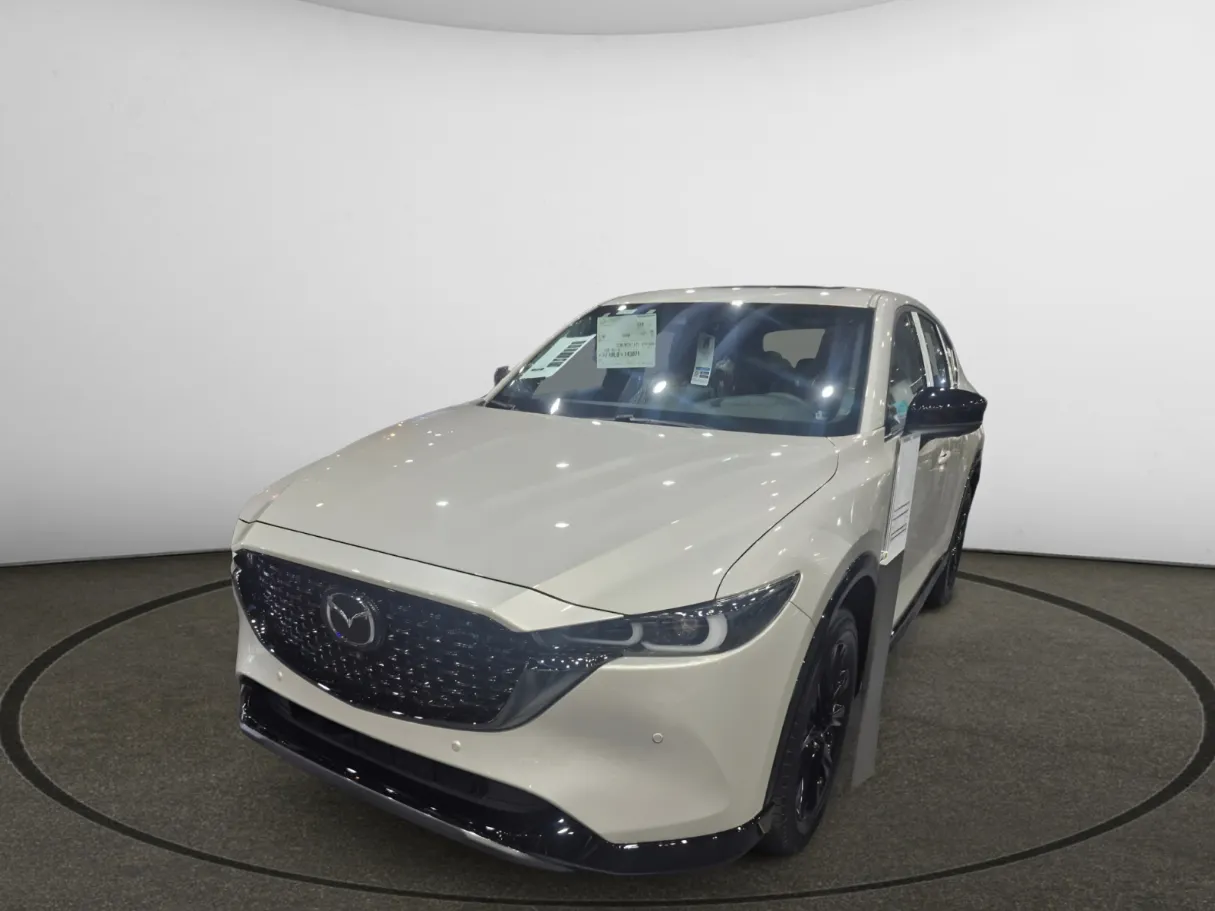
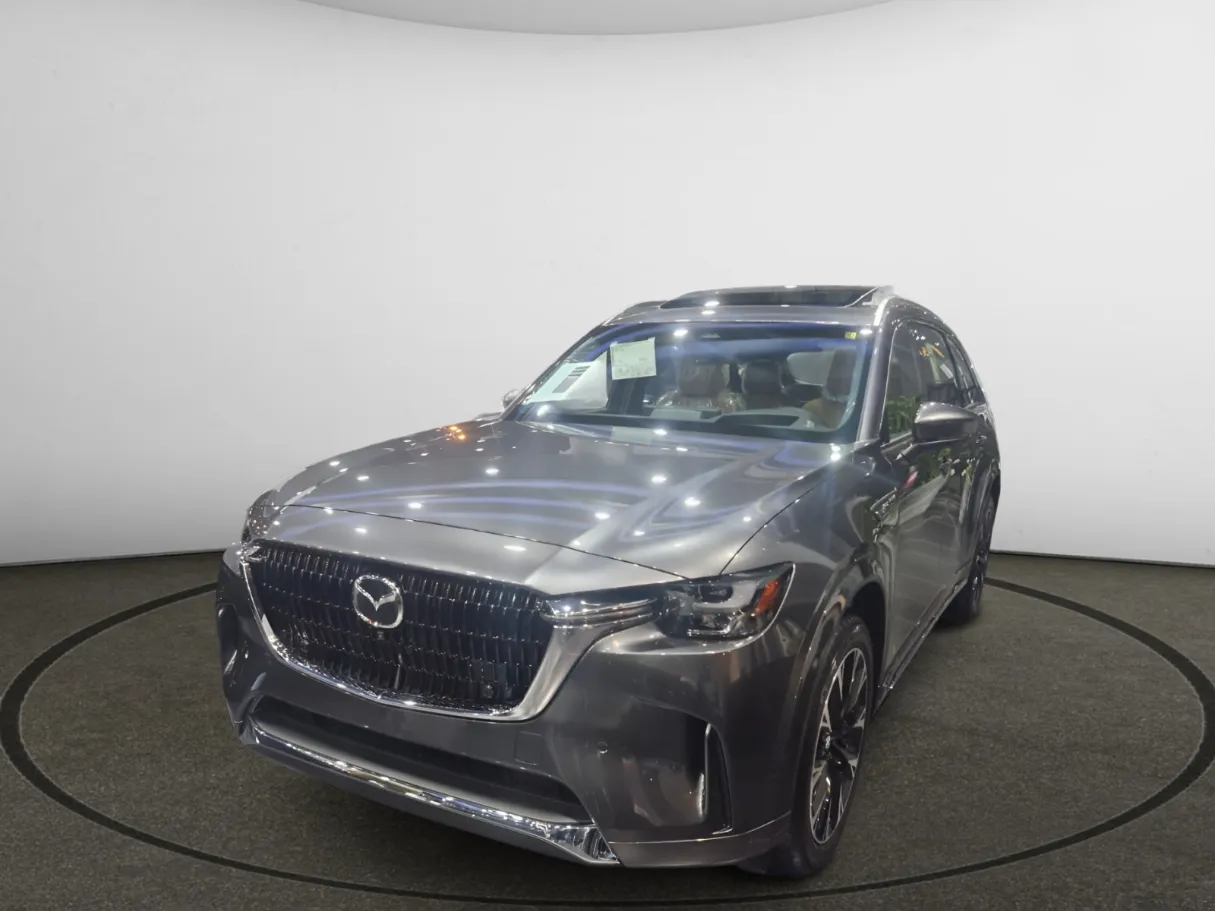
The 2026 Mazda CX-60 brings a premium mid-size SUV option to the Saudi market, leading with a refined interior and a composed driving character that sets it apart from the more utilitarian competition. Prices in KSA start from SAR 123,646 for the Core (Base).
The KSA-spec CX-60 is powered by a 2.5 L naturally aspirated engine producing 192 bhp, paired with an Automatic gearbox. Fuel consumption is rated at 7.4 L/100 Km on a mixed cycle. With seating for 5 and a well-appointed cabin, the Core (Base) trim offers a strong standard specification including leather upholstery, a large central display, and Mazda's signature minimalist interior layout — the single trim on offer in KSA keeps the buying decision straightforward.
Pros: the interior quality feels a full class above what the price suggests — material choices, noise insulation, and seat comfort all exceed typical mid-size SUV benchmarks. The CX-60's proportions give it a premium road presence without the bulk of larger seven-seat rivals. Cons: with only one trim available in KSA, buyers wanting additional features have no upgrade path within the range. The five-seat-only layout limits appeal for larger families who cross-shop seven-seat alternatives in this budget.
Used CX-60 examples do appear on CarSwitch in KSA — 2025 models have listed from around SAR 109,000, offering a meaningful saving versus the new price of SAR 123,646. Given the limited volume on the market, buyers who find a clean, low-mileage example are likely to secure good value.
Buyers cross-shopping the CX-60 in KSA frequently consider the Honda CR-V, Toyota RAV4, and Kia Sportage — all strong-selling mid-size SUVs at comparable price points. The RAV4 and CR-V carry a stronger resale track record in the Saudi market; the CX-60 answers with noticeably superior interior refinement and a quieter, more composed ride.
How much does the Mazda CX-60 cost in Saudi Arabia?
The Core (Base) is the only version offered here, at SAR 123,646. One price, one specification, no negotiation over trim levels — which suits a car whose case rests on how it is engineered rather than on how many features it can list. The 2.5 L engine produces 192 bhp.
Is one specification enough on the CX-60?
For most buyers, yes. The single trim includes the drivetrain, chassis and interior architecture that make this car worth considering, and Mazda's own cabin quality does not vary much between grades in any case. What you cannot do is order a cheaper version to get into the model, so the CX-60 competes directly against well-equipped rivals rather than undercutting them.
Mazda CX-60 or Toyota RAV4?
The CX-60 is a more sophisticated car in the way it drives and a considerably more expensive-feeling one inside — the reason to pay the difference. The Toyota RAV4 is the pragmatic answer: cheaper to run, easier to service, stronger at resale. The Kia Sportage offers more equipment for the money than either.
What does a CX-60 cost to run in Saudi Arabia?
Around 7.4 L/100 Km, which is modest for a car of this class. Because the model is still new, there is a good argument for keeping it within the franchised network early on: Haji Husein Alireza & Co operates in Jeddah and Riyadh, and independent workshops have had far less exposure to this platform than to Mazda's older four-cylinder cars.
Does the CX-60 hold its value, and what should you watch for as it ages?
About 55% of its value after five years, essentially level with the roughly 56% typical of mainstream Japanese cars here — a solid result for a model with no long track record. The cars we have inspected run a median of around 24,000 km, light use consistent with a car this new, and nothing so far points to concerns with the drivetrain. On low-mileage examples, the inspection report matters most for what it shows about paint and panel work.


 Hi Guest