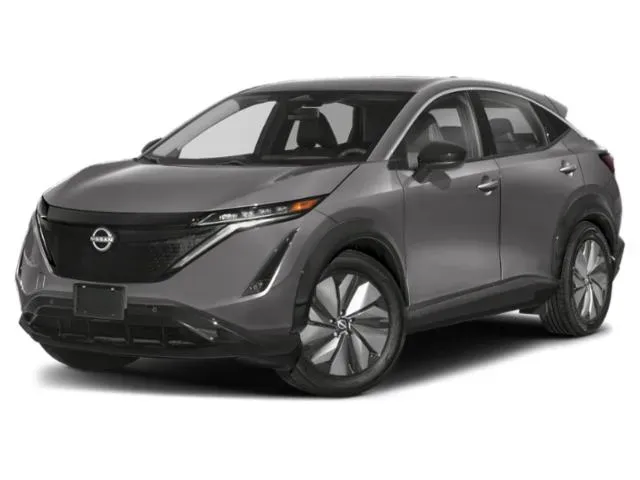
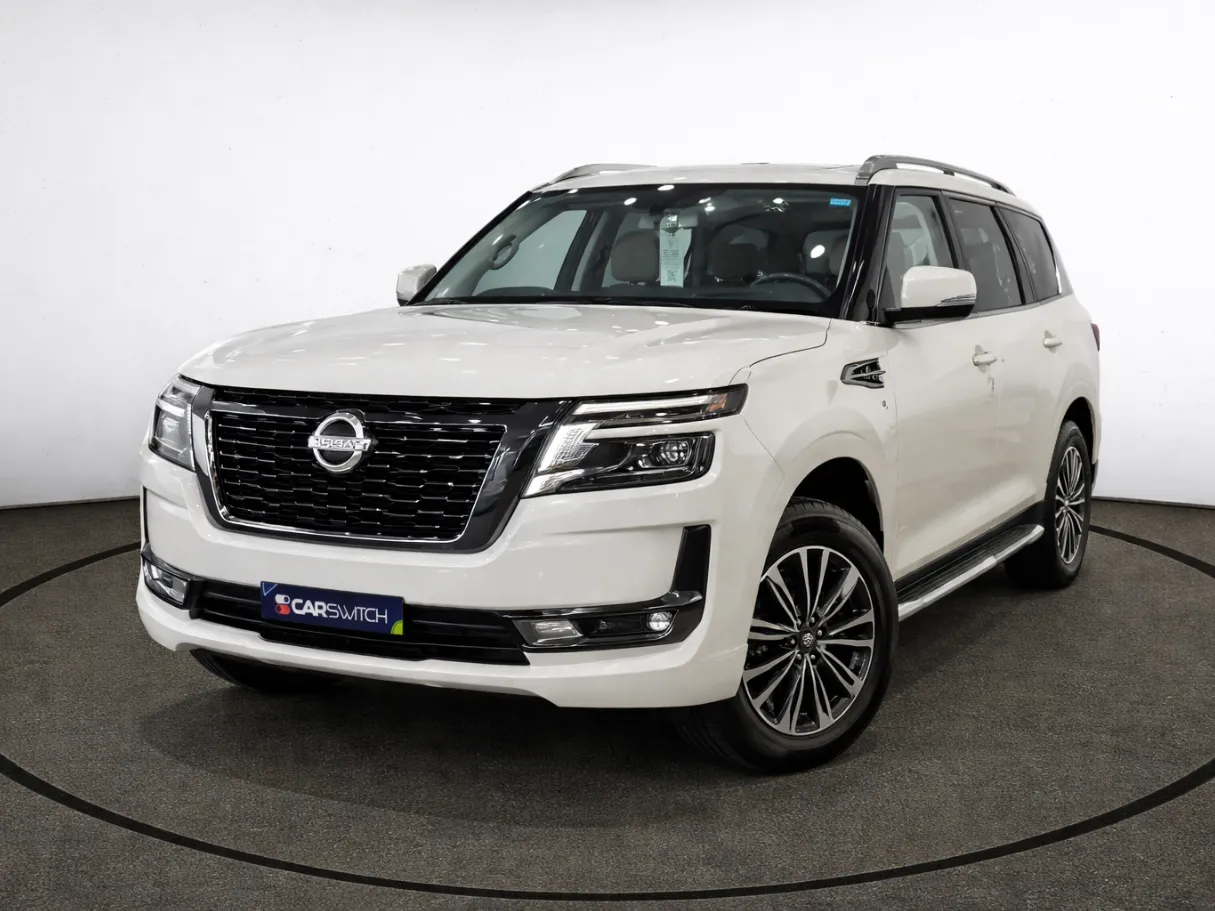
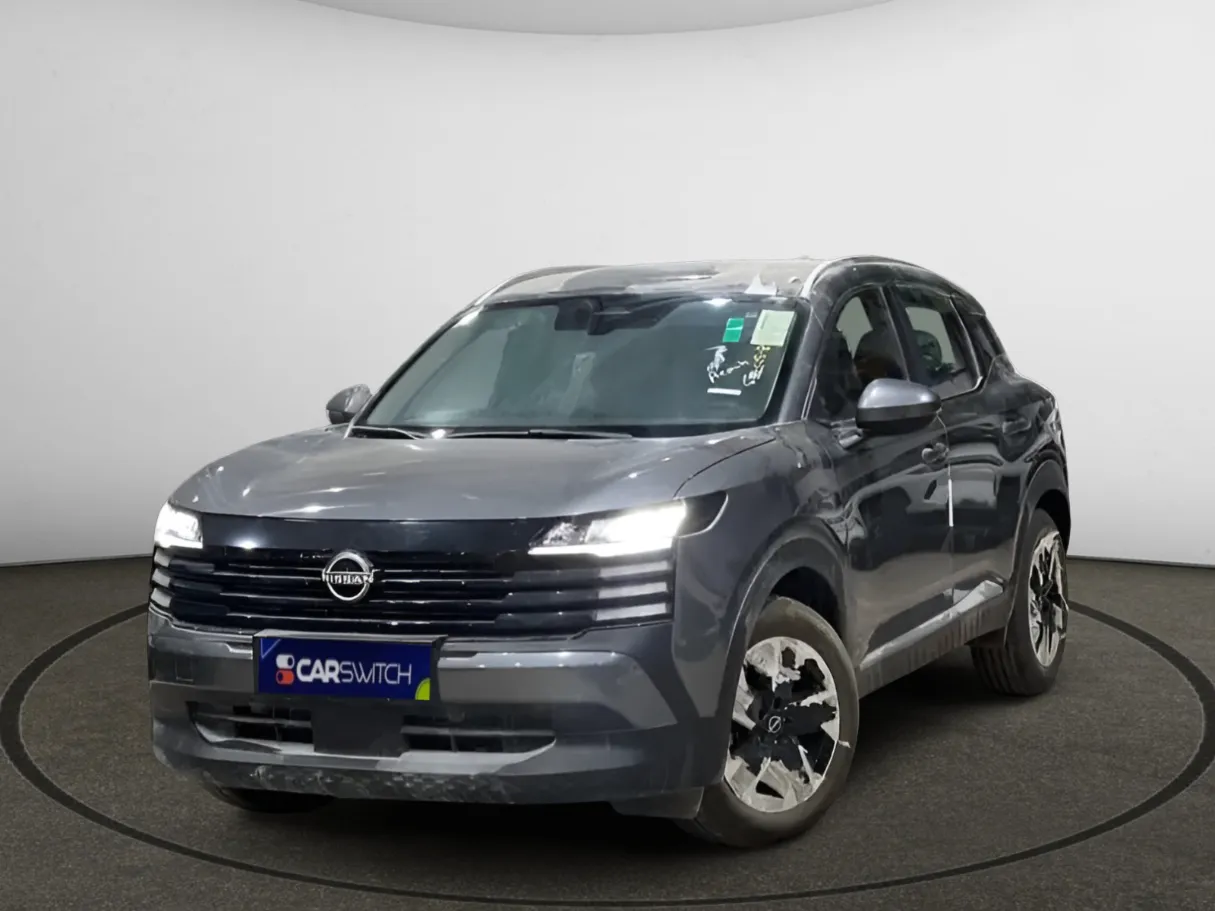
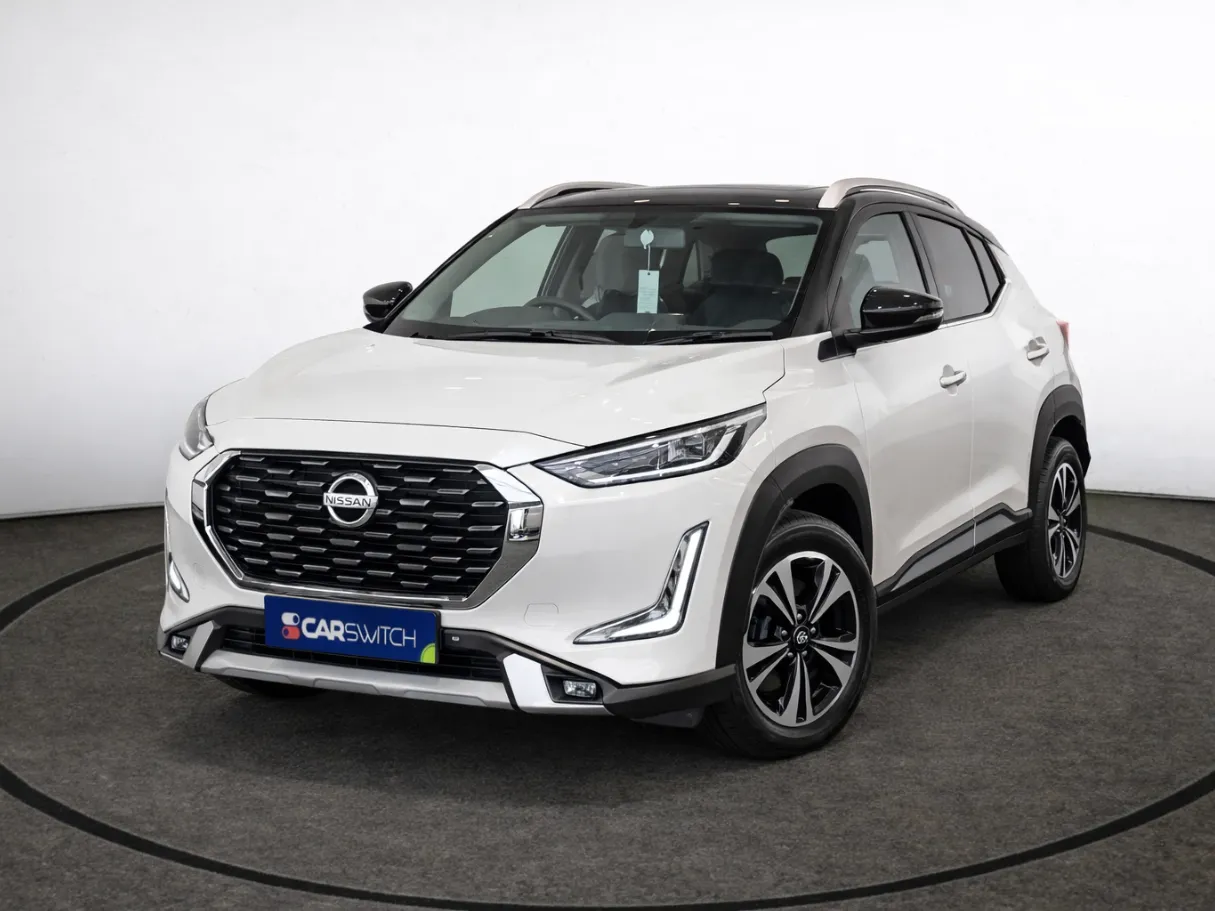
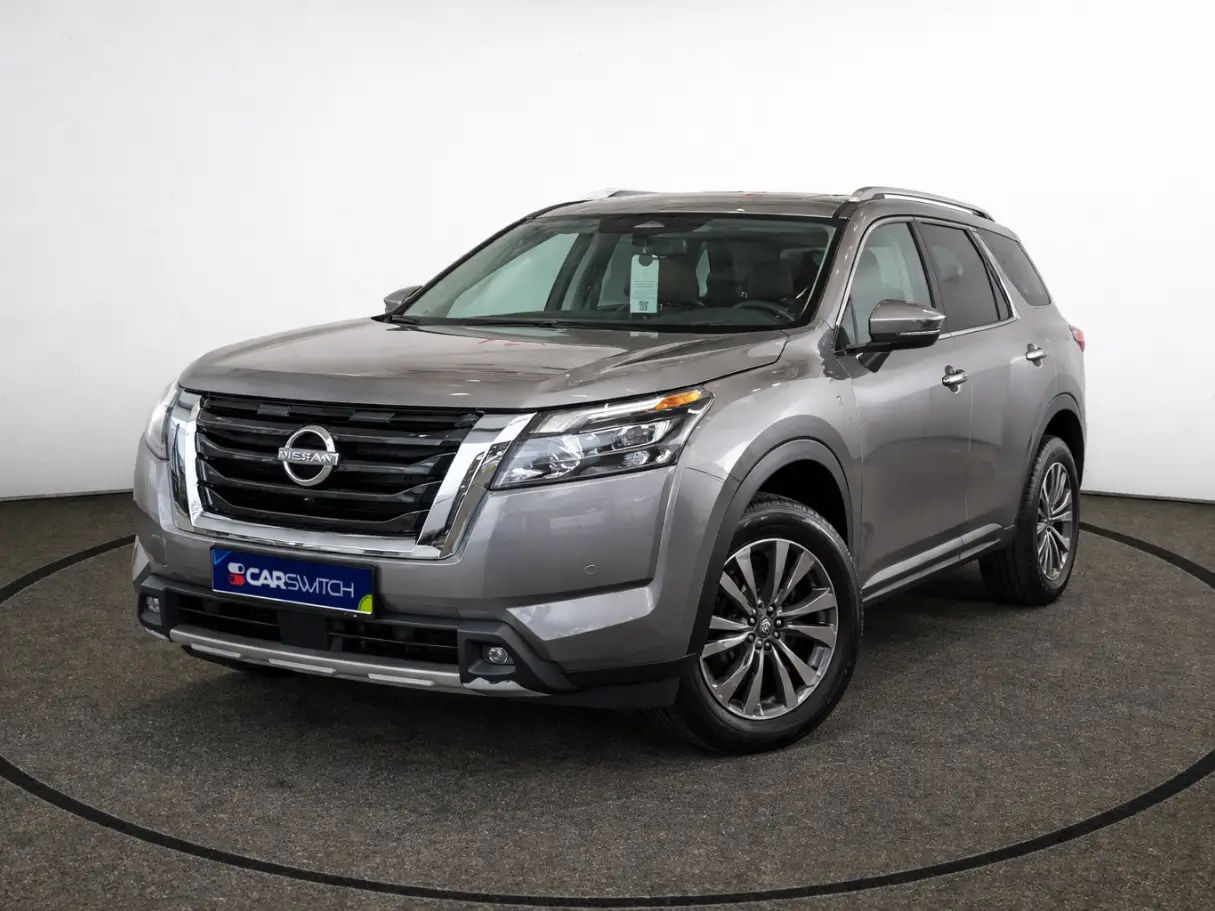
The Nissan Ariya is a fully electric mid-size crossover that marks a bold new design chapter for Nissan — offering a spacious, minimalist cabin and competitive electric range aimed at buyers looking beyond conventional SUVs. Prices in Saudi Arabia start from SAR 250,000 for the Platinum + e-4ORCE AWD.
The base Platinum + e-4ORCE AWD is fully electric, producing 389 BHP and delivering competitive electric range — well-suited to city driving and inter-city routes across the Kingdom. The top-spec Platinum + e-4ORCE AWD steps up to e-4ORCE all-wheel drive for improved traction and sharper performance, alongside a larger battery, upgraded interior trim, and an expanded suite of driver assistance features. The Automatic single-speed setup across the range makes for smooth, effortless driving in urban environments.
Pros: the flat-floor interior with sliding centre console offers genuinely SUV-grade practicality in a sleek crossover body — a rare combination at this price point. The dual-screen cockpit and ambient lighting package feel genuinely premium. Cons: DC fast-charging speeds lag behind rivals such as the Ioniq 5 at Saudi Arabia's growing network of high-speed charging stations. Residual values for newer EVs in the KSA market are still maturing, which introduces some uncertainty for buyers focused on resale.
Resale benchmarks for the Ariya in Saudi Arabia are not yet well-established, given its recent market entry. EV residuals across the segment are generally more volatile than comparable petrol SUVs at present, and buyers should weigh total cost of ownership — including lower running costs — against this uncertainty.
Buyers considering the Ariya in KSA also look at the Hyundai Ioniq 5, Kia EV6, and Volkswagen ID.4 — electric crossovers in the same price band where the Ariya competes on interior space and design, while rivals currently lead on peak charging speeds and a more established resale track record.
How much does the Nissan Ariya cost in Saudi Arabia?
There is nothing to specify. SAR 250,000 buys the Platinum + e-4ORCE AWD, which is the top version of the car everywhere it is sold — two motors, four-wheel drive, the larger battery and the complete equipment list. Buying the flagship by default removes the usual anxiety about which options are worth having.
Nissan Ariya or Tesla Model Y?
The Ariya is the more comfortable and more carefully finished car, with a quiet cabin and materials well above what this price normally buys. The Tesla Model Y offers more range and a charging network built for it. If charging is not yet practical where you live, the petrol X-Trail covers the same brief for a great deal less.
What does a Nissan Ariya cost to run in Saudi Arabia?
Very little, and the charging question is simpler than it is usually made out to be. A home charger refills the car overnight, which covers ordinary commuting without ever visiting a public point. Maintenance is close to nothing — no oil changes, no gearbox fluid, no exhaust — and the battery carries its own extended warranty separate from the vehicle.
Does the Nissan Ariya hold its value, and what should you watch for as it ages?
Not strongly — about 41% after five years, against roughly 56% for the wider market, which is what happens to electric cars while the technology is still improving fast. For a buyer that is an argument for waiting rather than a warning about the car. The figure to establish on any used example is battery state of health, which matters far more than the odometer reading.


 Hi Guest