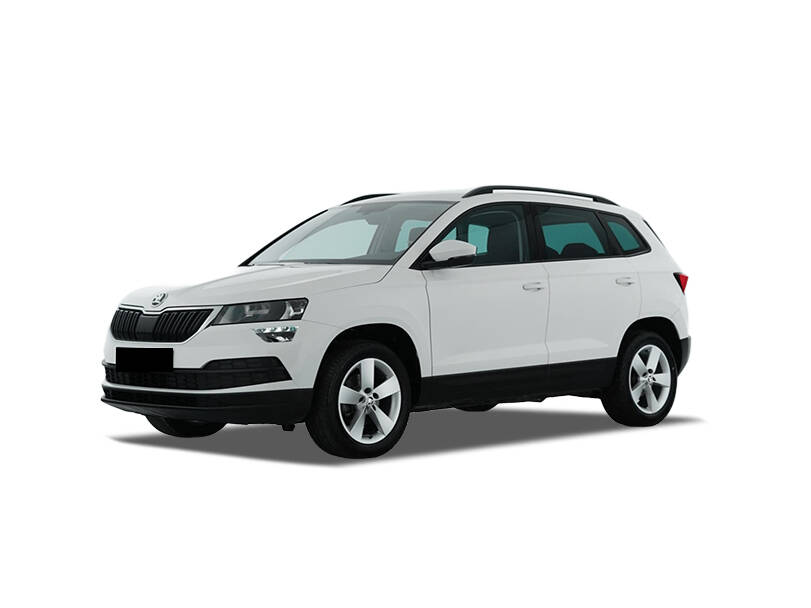
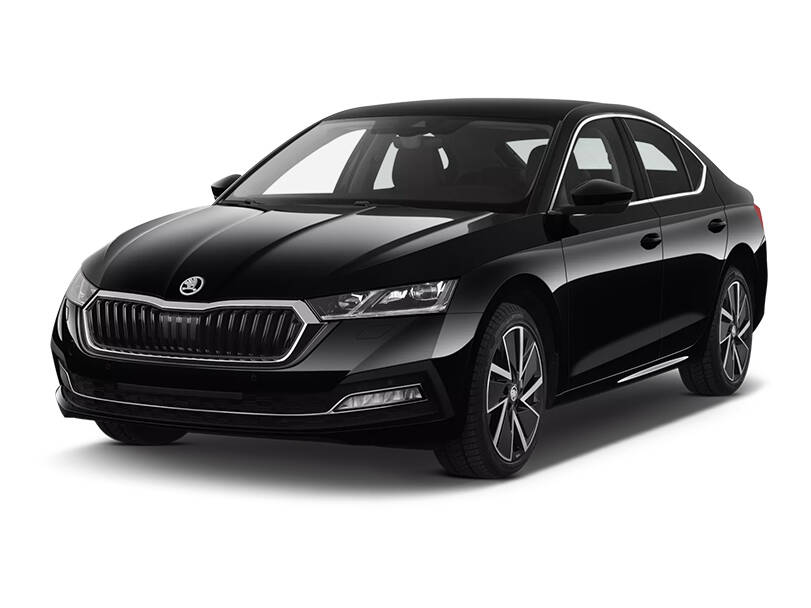
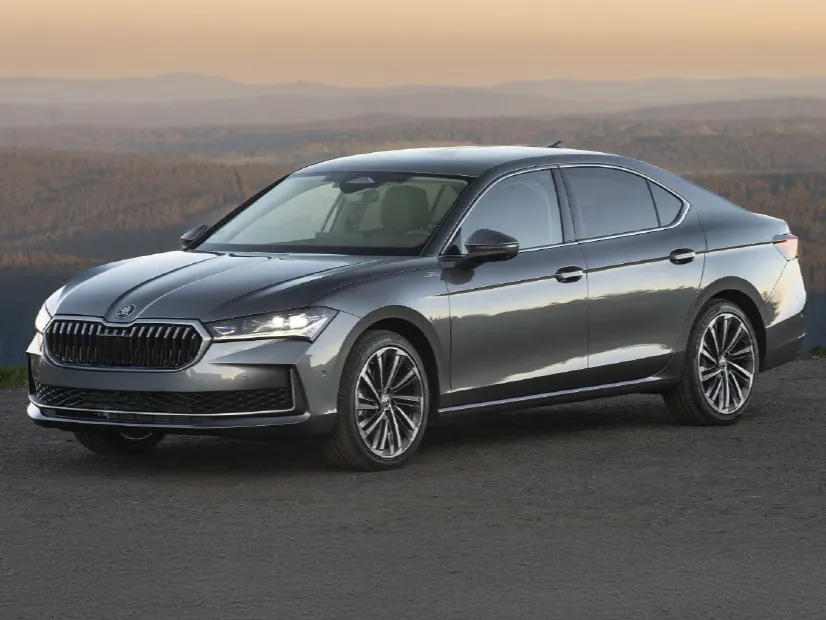
The 2026 Skoda Karoq arrives in Saudi Arabia as a compact five-seat SUV positioned to appeal to buyers seeking European refinement without the premium price tag of a full-size Tiguan or Audi Q3. Prices start from SAR 138,000 in the Style trim.
Power comes from a 1.4 L turbocharged petrol engine rated at 150 bhp, driving through an Automatic gearbox — a familiar, proven setup shared across the VW Group family. The Style trim offered in Saudi Arabia is well-appointed, typically including a large infotainment display, leather seating, and a full suite of active safety features. There is a single trim level available in KSA, so the buying decision centres on the model itself rather than variant selection.
Pros: the Karoq's cabin is a genuine highlight — Skoda's material quality and ergonomic layout are noticeably more polished than most rivals at this price in the Saudi market. Storage solutions throughout the interior reflect Skoda's Simply Clever philosophy, adding day-to-day practicality. Cons: at SAR 138,000, the Karoq faces stiff competition from the Hyundai Tucson and Kia Sportage, which offer more powertrain variety and broader service networks across the Kingdom. The 150 bhp output is adequate rather than spirited, and buyers prioritising performance may find Korean or Japanese turbocharged alternatives more satisfying.
No market value retention data is currently available for the Karoq in Saudi Arabia. Given its relatively low sales volume compared to segment leaders, prospective buyers should review active used listings to gauge real-world resale performance before committing.
Buyers considering the Karoq in KSA frequently also look at the Volkswagen Tiguan, Hyundai Tucson, and Kia Sportage — all compact SUVs competing in a similar price and use-case bracket. The Karoq wins on interior quality and European platform refinement; the Tiguan, Tucson, and Sportage counter with wider availability, more powertrain options, and stronger after-sales coverage across Saudi Arabia.
How much does the Skoda Karoq cost in Saudi Arabia?
One 2026 car, one price: the Style at SAR 138,000. Nothing is held back for a higher grade, so the turbocharged 1.4 L engine, the 512-litre boot and the full equipment list all arrive together rather than as a step up the ladder. In practice that means the Karoq has to win on the money it asks, not on a better-specified version further up.
Skoda Karoq or Volkswagen Tiguan?
Buy the Karoq if you want the group's engineering without the badge premium — the same 150 bhp turbo four, a boot within a few litres of the Tiguan's, and a meaningful sum left in your account. The Volkswagen Tiguan earns its extra with a better-finished cabin and an easier resale. The Hyundai Tucson is the pragmatic third choice: less satisfying to drive, far easier to get serviced anywhere.
What does a Skoda Karoq cost to run in Saudi Arabia?
Where you live decides this more than the car does. Warranty and parts run through SAMACO Automotive, whose showrooms and workshops sit in Riyadh and Jeddah — near either, servicing is routine; away from both, a scheduled service becomes a planned journey. Fuel is modest for a five-seat SUV given the small turbo engine. Ask for service-plan pricing in writing before you sign.
Does the Skoda Karoq hold its value, and what should you watch for as it ages?
It tracks its class rather than beating it, holding about 60% after three years and 44% after five, against roughly 62% and 45% for European mainstream cars here. The figure that actually moves the price is the buyer pool: a single-trim model from a smaller network sells more slowly, so a complete service record and honest condition are worth more than a low odometer reading. Get the individual car inspected and read the report before you talk price.


 Hi Guest