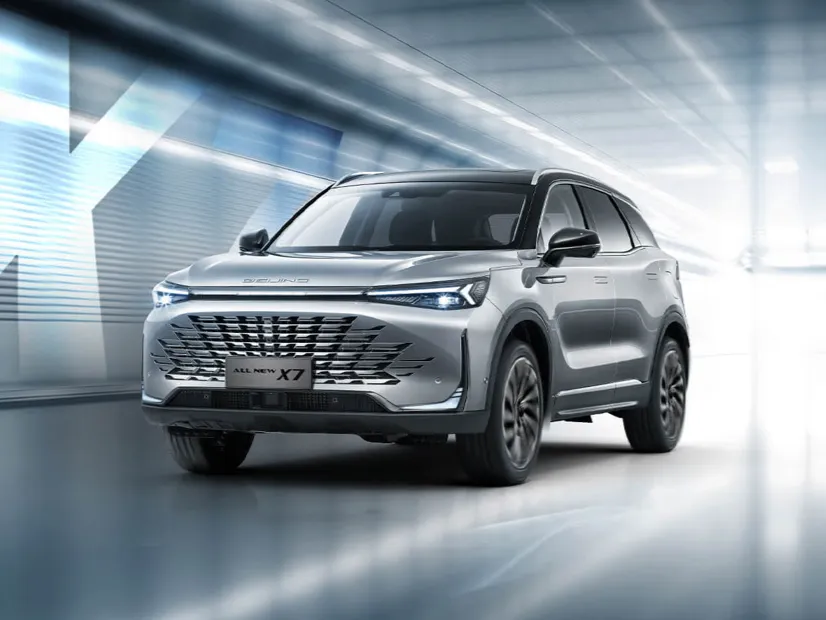
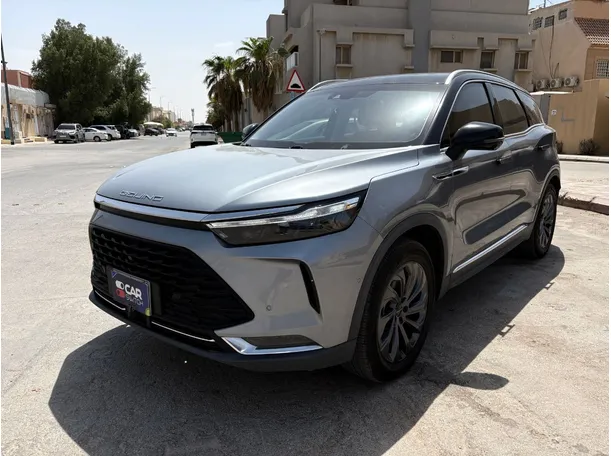
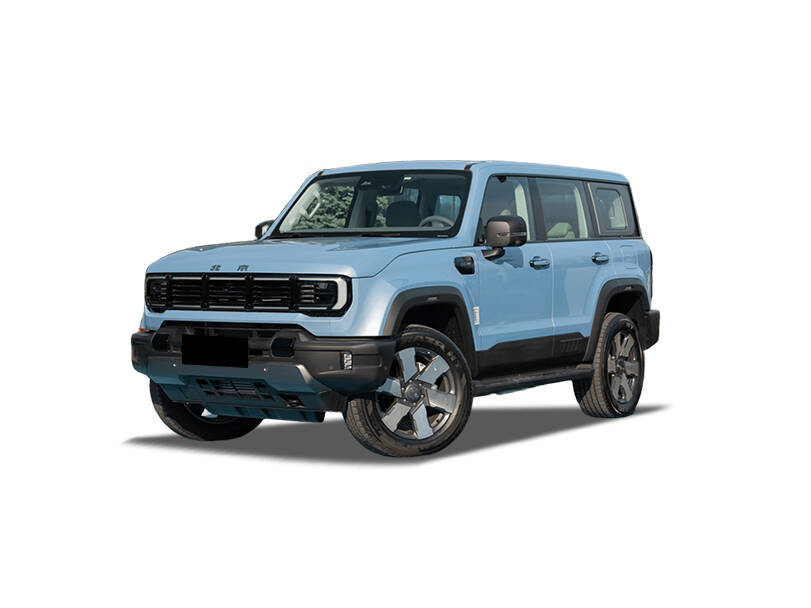
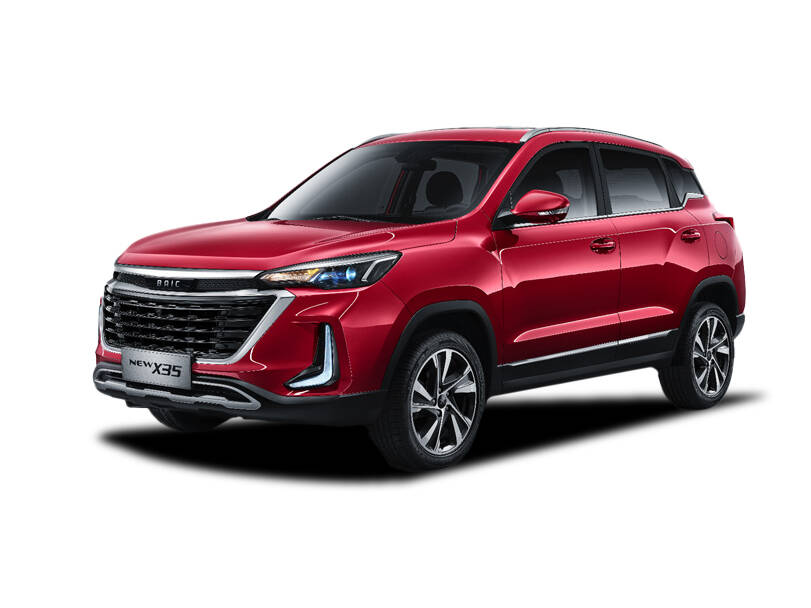
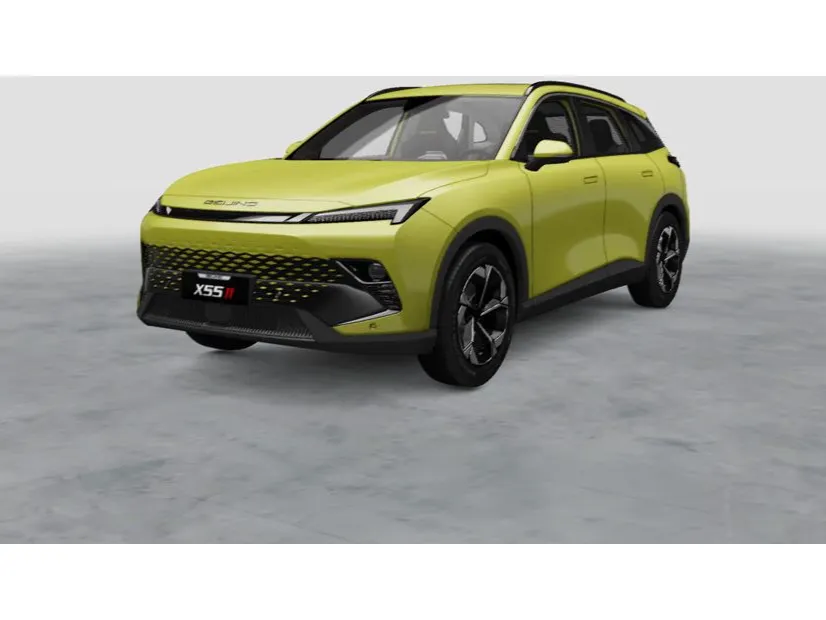
The 2026 BAIC X7 enters the Saudi mid-size SUV market as a value-forward alternative to more established Chinese and Korean names, offering 5 seats, a turbocharged engine, and a well-equipped cabin from SAR 101,189. The range runs to SAR 112,689 for the top-spec Honor.
Both trims share the same turbocharged 1.5 L petrol engine producing 185 bhp, mated to an Automatic gearbox. The entry Elite includes a large infotainment touchscreen, LED headlights, and passive safety systems as standard. The Honor steps up with leather seats, a panoramic roof, a 360-degree parking camera, and a more complete suite of driver-assistance technology — a worthwhile upgrade for the relatively modest price gap between the two.
Pros: the X7 offers one of the larger cabins in its price bracket within Saudi Arabia, with rear passengers benefiting from genuine legroom. The turbocharged 1.5 L unit delivers 185 bhp, giving it a confident performance edge over naturally aspirated rivals at this price. Cons: BAIC's service network across Saudi Arabia is less extensive than Haval or Chery, which could affect convenience for buyers outside major cities. Long-term parts availability and resale liquidity remain questions for a brand still building its regional footprint.
Resale value data specific to the BAIC X7 in Saudi Arabia is limited, reflecting the brand's early stage in this market. Chinese SUVs in this segment broadly retain less value than equivalent Korean models — buyers should factor a wider depreciation curve into their total cost of ownership.
The Haval H6, Chery Tiggo 7, and Geely Emgrand X7 are the natural cross-shop set for BAIC X7 buyers in Saudi Arabia — all occupying the same Chinese mid-size SUV bracket with similar pricing and equipment logic. The Haval H6 holds the strongest resale and brand equity in KSA; the Tiggo 7 leads on software experience; the X7 makes its case on interior space and power for the price paid.
How much does the BAIC X7 cost in Saudi Arabia?
A tight 2026 range: SAR 101,189 for the Elite, a Luxury in the middle and SAR 112,689 for the Honor. The whole ladder is narrower than one trim step on many rivals, which means the best-equipped car is within reach of anyone considering the cheapest — an unusual position to be in.
Which X7 trim is the one to buy?
The Honor at the top, precisely because the range is so compressed. It brings the full equipment list for an increase most buyers would absorb without noticing, and it keeps the same 1.5 L turbo and 185 bhp. The Elite is only the right answer if the lowest possible price is the object.
BAIC X7 or Haval H6?
The X7 delivers more equipment per riyal and a cabin that feels a class above the money, which is a real reason to buy it. The Haval H6 has the deeper local track record, the wider workshop coverage and the stronger resale, and the Chery Tiggo 8 adds a third row. If you plan to sell inside three years, weigh those advantages heavily.
Will an X7 still be worth buying in five years?
It should be: about 54% of its price survives five years, a shade ahead of the 52% typical of Chinese brands here, with 68% left at three. The cars reaching CarSwitch for inspection carry a median of around 30,000 km, light use that reflects how new the model is rather than how it wears. With so little distance covered, the report on the individual car — service stamps, panel work, tyre age — is what tells you anything.
Is a used BAIC X7 the better buy?
The saving is substantial. Used examples generally ask around SAR 50,000 to SAR 70,000, and a nearly new car sits roughly 33% below the new entry price — about SAR 35,000 that stays with you. That is a steep early drop, which is an argument for letting the first owner take it and buying on the strength of the inspection report instead.


 Hi Guest