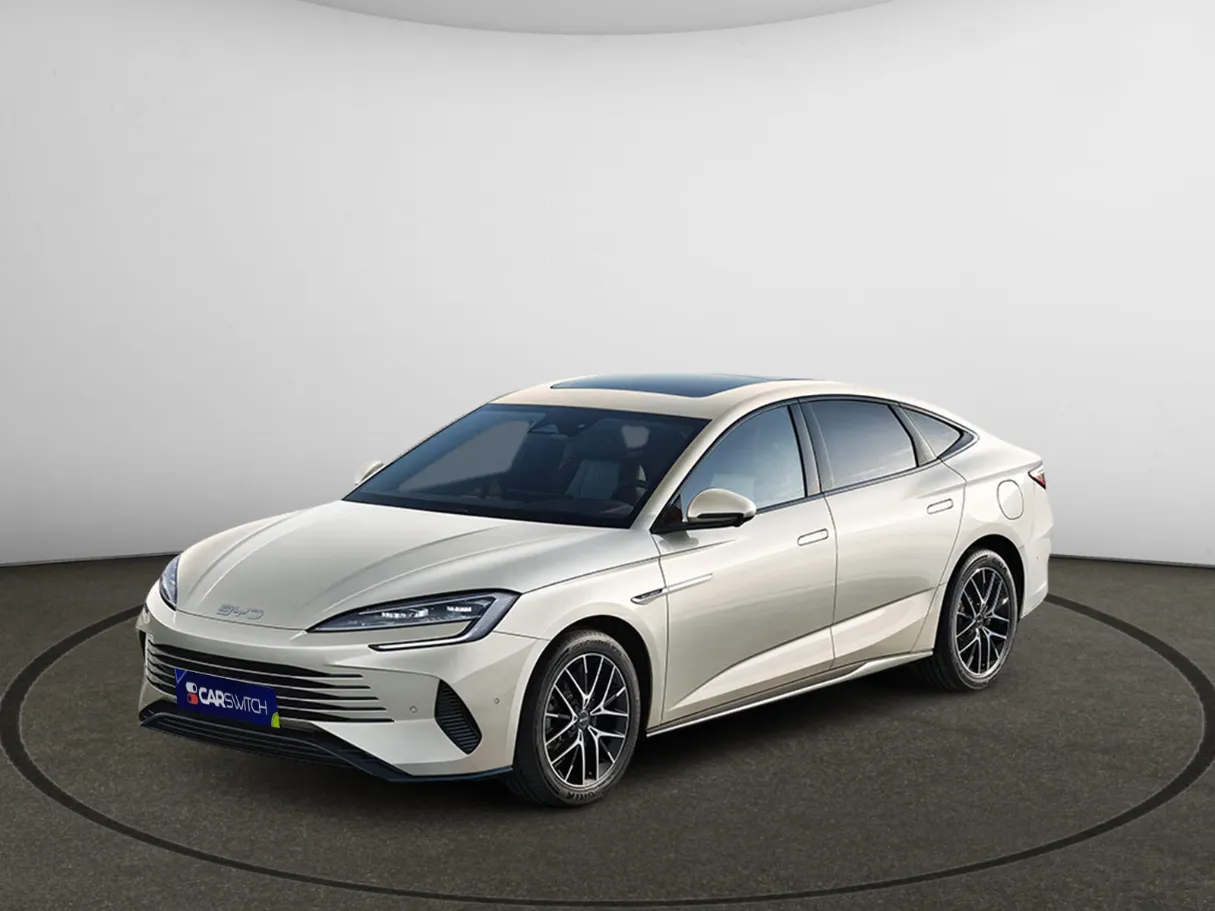
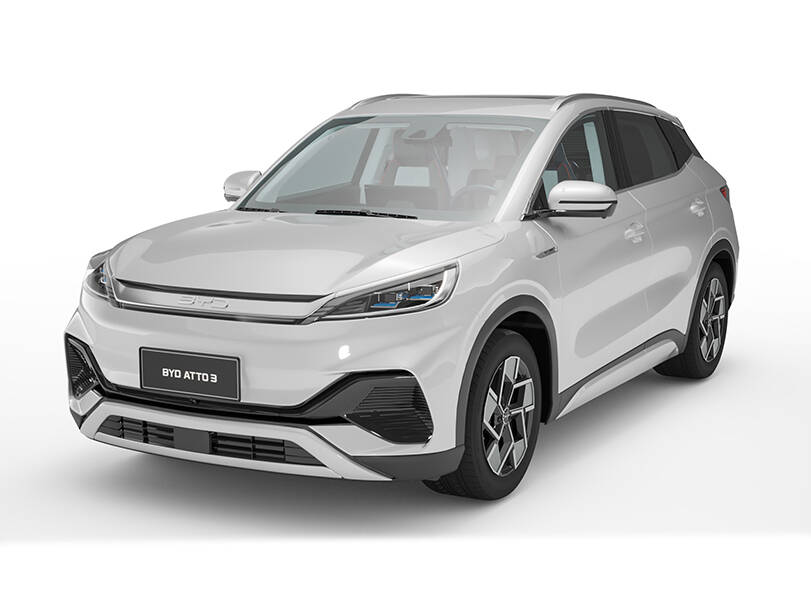
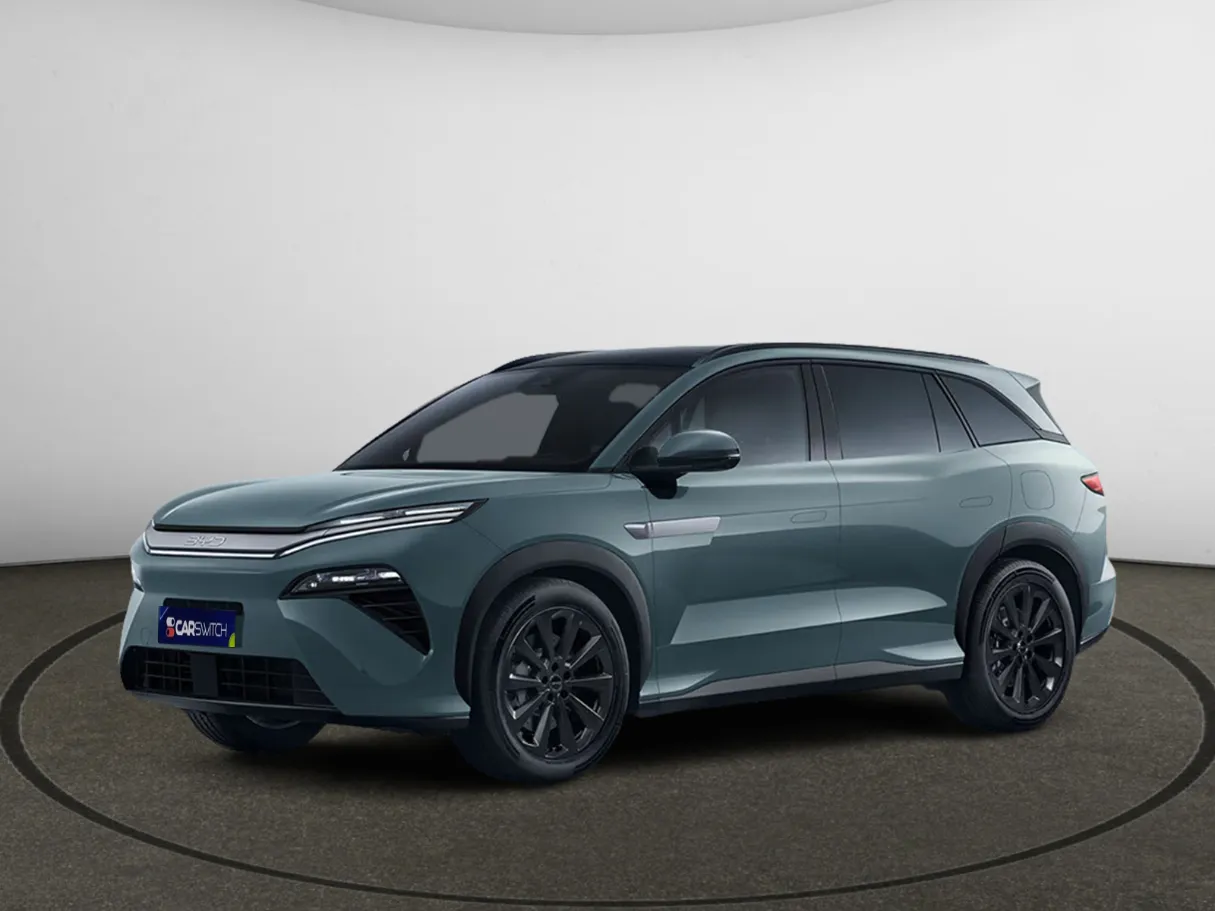
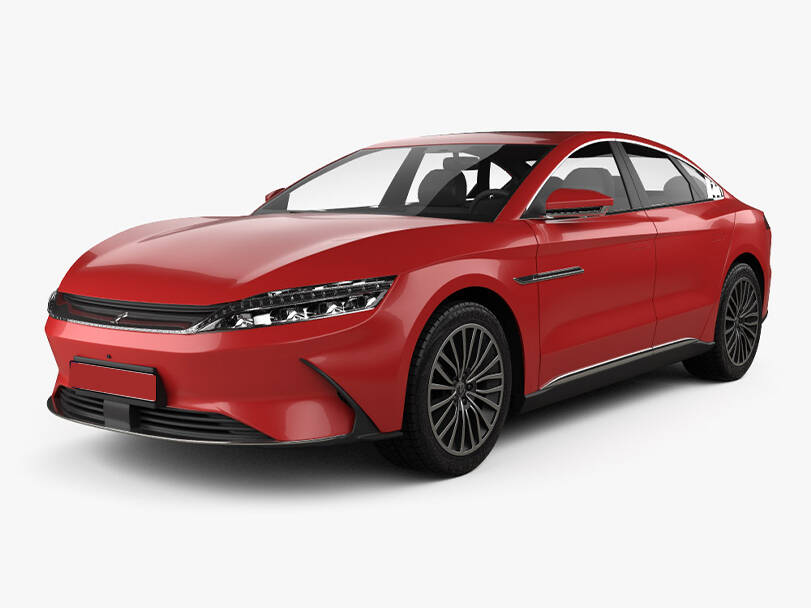
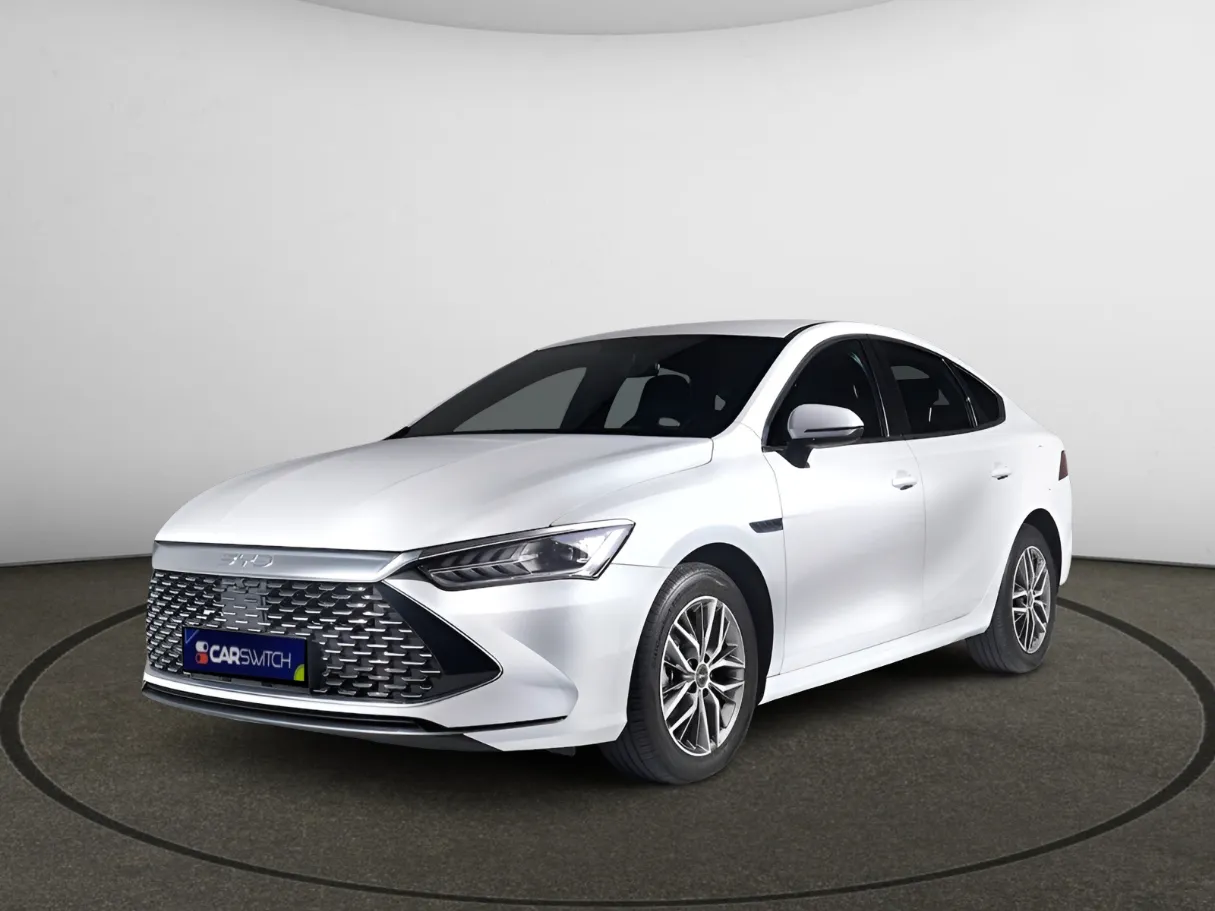
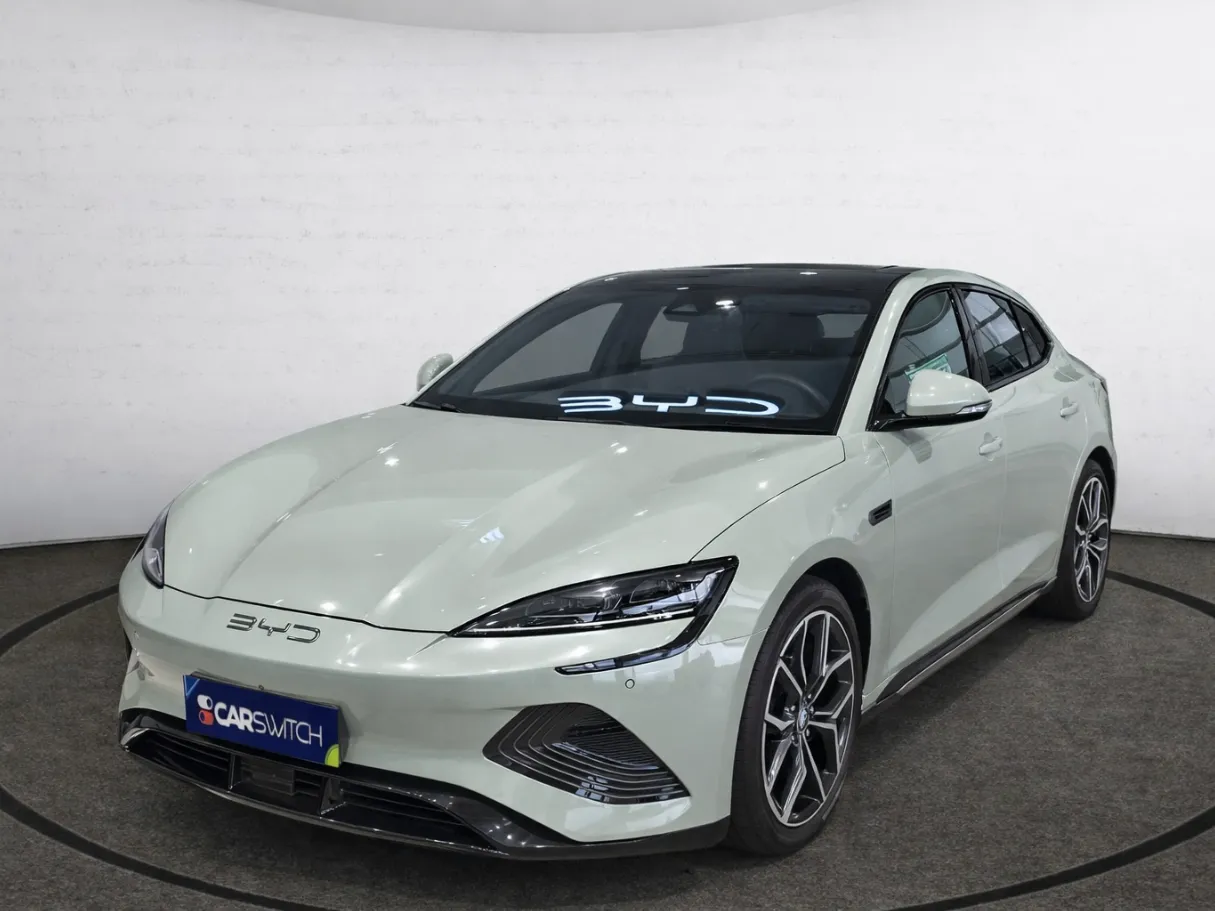
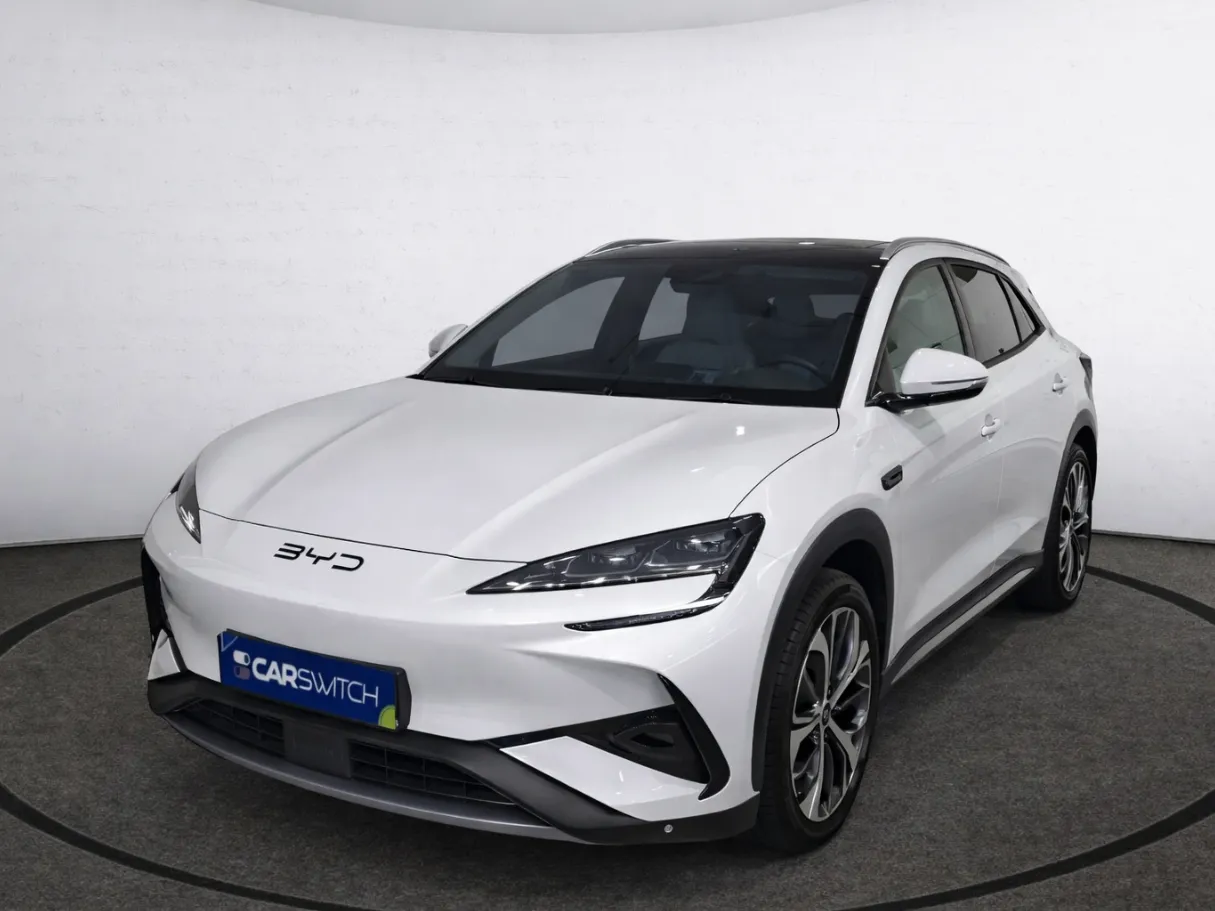
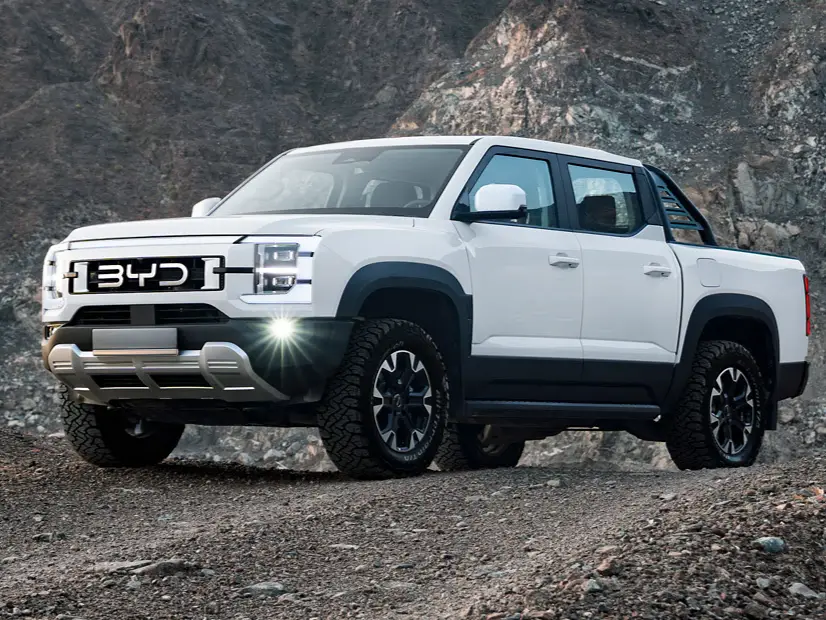
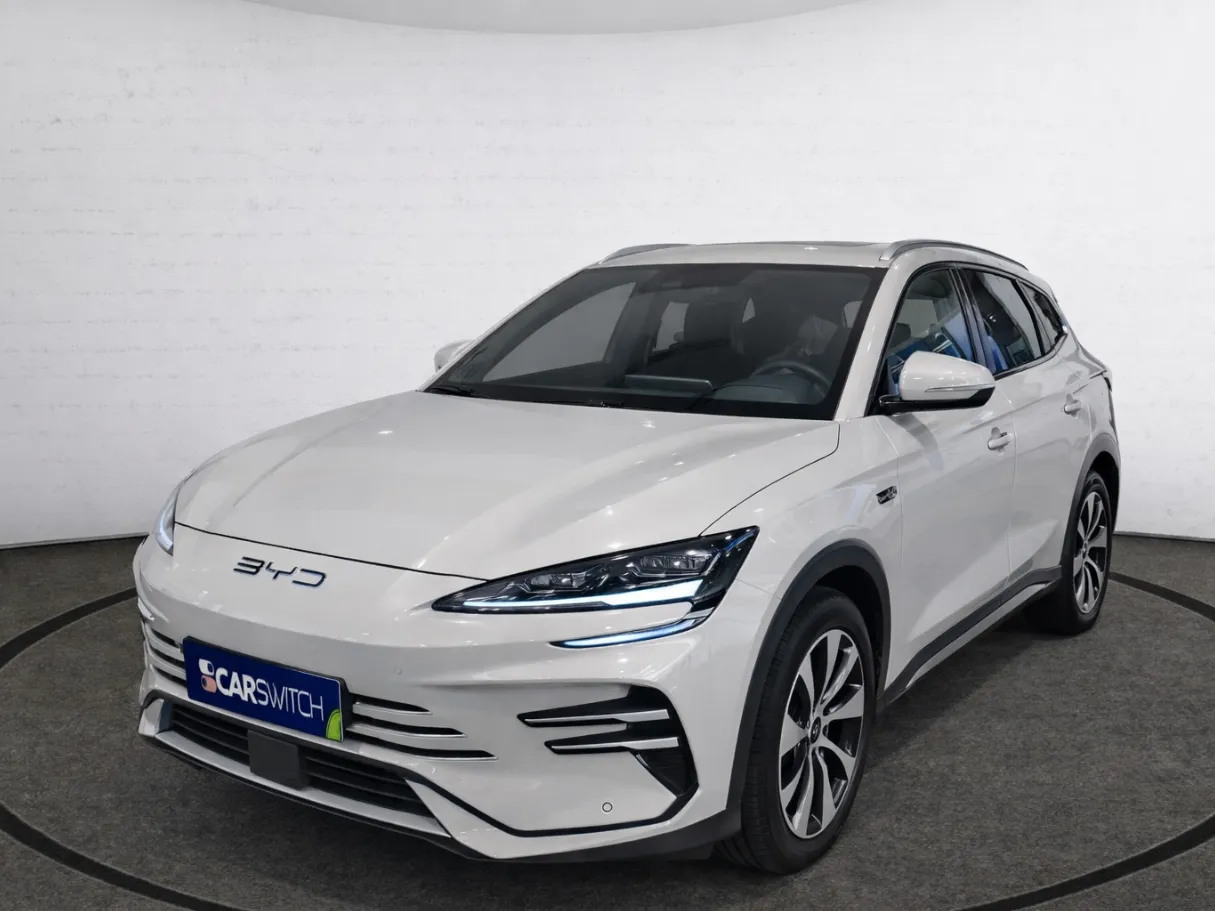
The 2026 BYD Seal 7 is a plug-in hybrid SUV combining electrified efficiency with family-sized practicality — one of the more compelling PHEV offerings in its price bracket in Saudi Arabia. Prices start from SAR 104,900 for the Design 1.5L PHEV and reach SAR 124,900 for the Premium 1.5L PHEV.
The Seal 7's PHEV system produces 270 hp in combined output, allowing EV-only running for short daily trips while the petrol engine handles longer journeys without recharging stops. It comfortably seats 5 passengers and is competitive on fuel efficiency for its class — particularly valuable in urban driving where the electric motor does most of the work. The Design 1.5L PHEV is a solid entry point; the Premium 1.5L PHEV brings a richer specification including additional driver assistance and comfort features suited to longer highway runs.
Pros: the 270 hp combined output gives the Seal 7 a noticeable pace advantage over non-electrified rivals in the same price range, and running predominantly on electric power in city traffic keeps day-to-day costs low for buyers with home charging. BYD's build quality and in-car technology have improved markedly in recent years. Cons: BYD's after-sales footprint in Saudi Arabia is still growing, and buyers in secondary cities may find fewer authorised service points than with Korean or Japanese alternatives. Chinese PHEV resale values in the Kingdom are still establishing themselves, adding a degree of uncertainty for buyers focused on long-term ownership cost.
As a recently launched model in the Saudi market, the Seal 7 does not yet have sufficient resale data to quote a reliable retention figure. Buyers are encouraged to weigh the running cost savings of the PHEV system against that uncertainty when comparing it to more established alternatives.
Before committing, most buyers also take a look at the Toyota Corolla, Honda Civic and Hyundai Elantra — direct rivals at a similar price point.
What does a BYD Seal 7 cost in Saudi Arabia?
The range spans a wide gap for a two-trim car. The Design 1.5L PHEV opens at SAR 104,900; the Premium 1.5L PHEV sits at SAR 124,900, which is a serious step and buys equipment rather than performance. Both use the same 1.5-litre plug-in system, so nobody is paying for a faster car at the top of the ladder.
Which Seal 7 makes sense?
The entry car, for most buyers. It has the drivetrain, the boot, the safety equipment and the electric range that define the model, and the walk-up to the top trim is a comfort purchase. If the car is a daily commuter that you sit in for an hour a day, the better seats and cabin materials start to earn their keep — otherwise they will not.
BYD Seal 7 or Toyota Corolla?
The Seal 7 is the bigger, better-equipped and cheaper-to-fuel car, and with home charging it turns a daily commute into an electric one at a fraction of petrol cost. The Toyota Corolla is the car to buy if you value a dealer in every town and the strongest resale in the class more than you value technology. The Honda Civic splits the difference and drives the best of the three.
What does a Seal 7 cost to run in Saudi Arabia?
It depends entirely on whether you plug in, and either answer is fine. Charged nightly at home, short trips run on electricity and petrol becomes an occasional expense; never charged, it behaves as a normal hybrid saloon with no penalty beyond a higher fuel bill. Servicing is conventional through the authorised network, with the hybrid battery covered under its own separate warranty term.
Does the Seal 7 hold its value in Saudi Arabia?
It holds about 66% after three years and about 51% after five, effectively matching the roughly 67% and 52% typical of Chinese brands sold here. That is a fair result rather than a selling point, so buy this car for what it saves you monthly, not for what it returns at trade-in. On a used one, ask for evidence that the hybrid battery has been checked rather than assuming it.


 Hi Guest