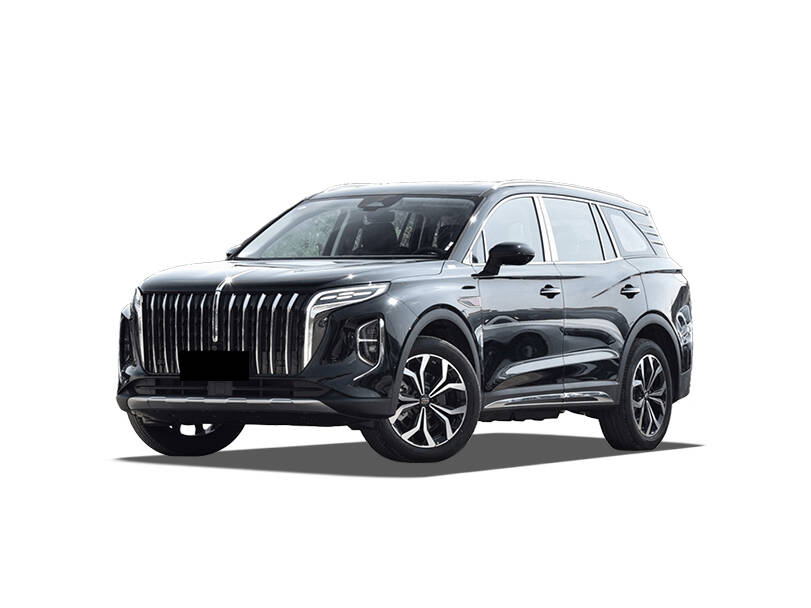
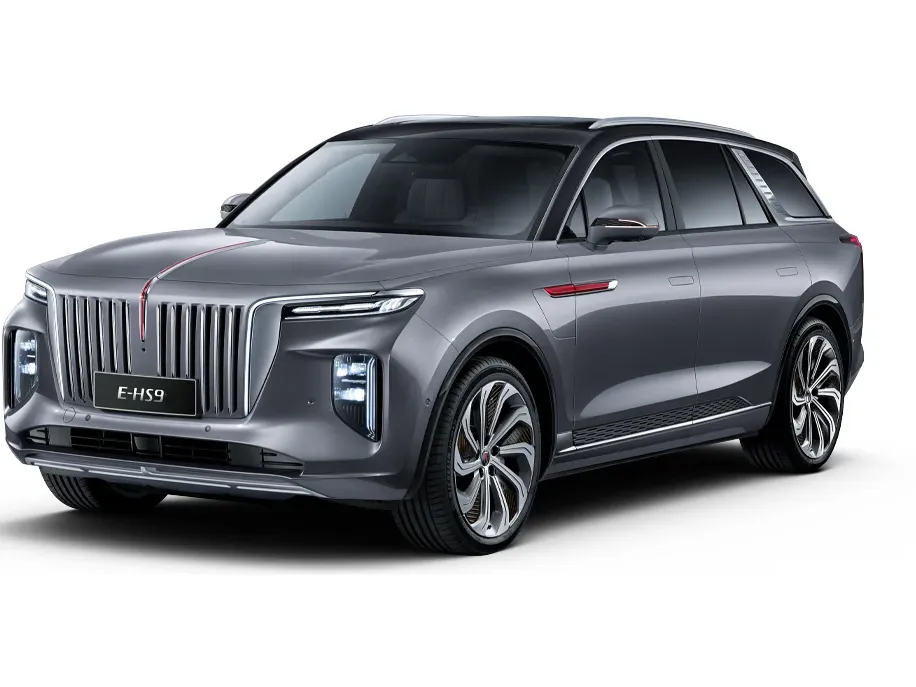
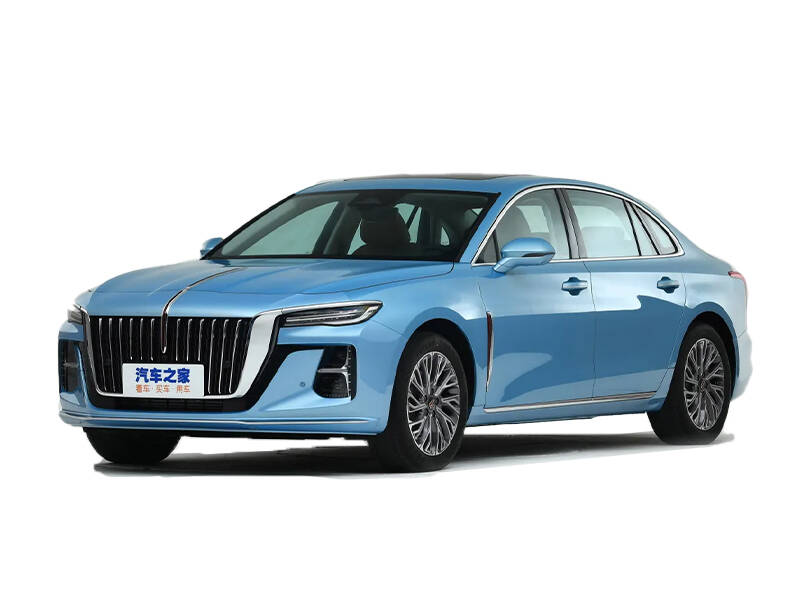
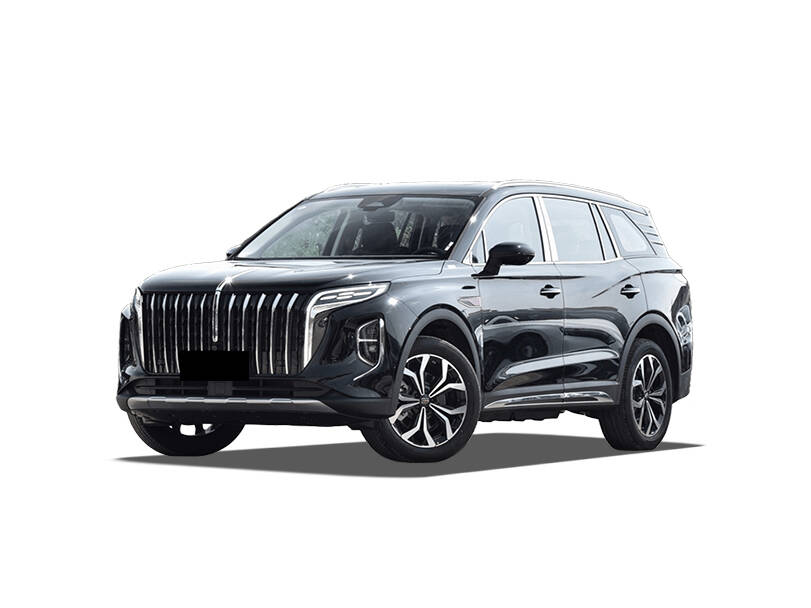
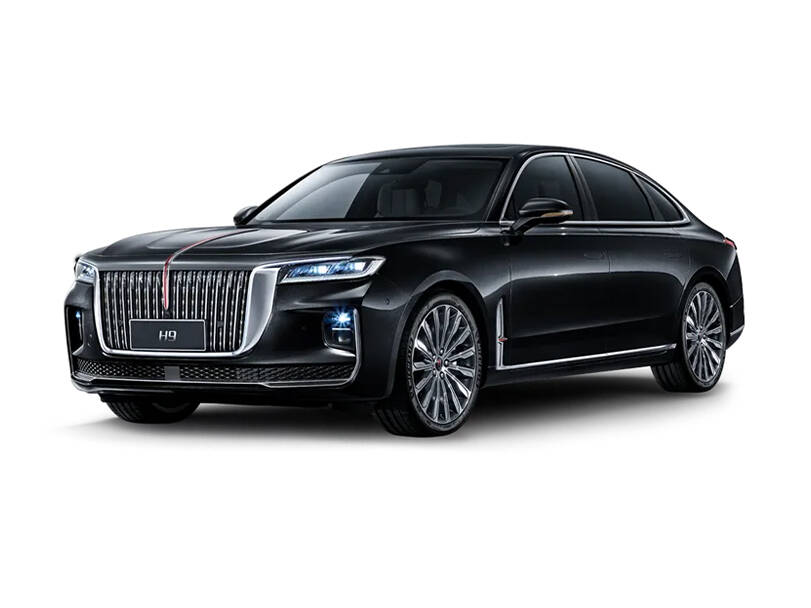
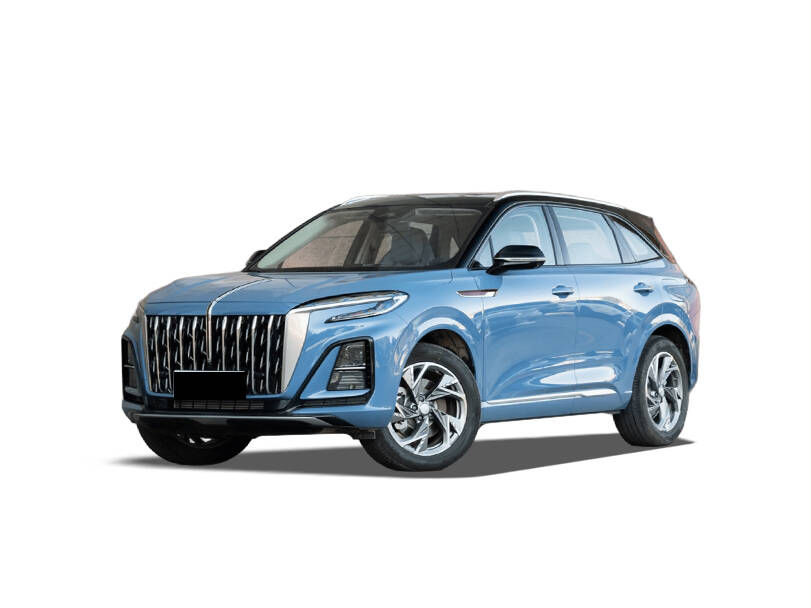
The 2026 Hongqi HS7 brings a rare combination of genuine luxury specification and accessible pricing to the Saudi large-SUV segment — backed by a heritage that stretches back to supplying China's state motorcades. The HS7 starts from SAR 184,900, positioning it as a serious proposition against better-known rivals that typically ask for significantly more.
The range is anchored by the Comfortable AWD trim, which pairs the turbocharged engine with all-wheel drive from the outset — a sensible default for Saudi buyers. At the top of the range, the 3.0T V6- Deluxe 7 Seaters at SAR 239,900 delivers 3.0 L of displacement and 337 bhp through an Automatic gearbox, alongside a full luxury cabin with premium audio, quilted upholstery, and an extended driver-assistance suite. The top spec's seven-seat layout broadens its appeal to larger families. Fuel efficiency figures are not published for the Saudi-market trim range; buyers should expect consumption in line with other large turbocharged SUVs in this class.
Pros: the HS7's headline strength is its value equation — the standard fit of panoramic glass, large touchscreen infotainment, and powered everything at SAR 184,900 is difficult to match in the segment. The 337 bhp on the top trim gives it performance credentials that flatter the driving experience on Saudi highways. Cons: Hongqi's aftersales network in the Kingdom is still maturing, meaning owners outside major cities may face longer service turnaround times than with Korean or American rivals. Resale values will take time to establish as the brand builds market history.
Residual value data for the Hongqi HS7 in Saudi Arabia is not yet established given the brand's recent market entry. Buyers are best served treating it as a value-driven choice where the savings at purchase offset the uncertainty around longer-term depreciation.
Buyers considering the HS7 in Saudi Arabia also frequently look at the Hyundai Palisade, Hyundai Santa Fe, and Ford Explorer — similar in footprint and family-SUV intent. The HS7 undercuts all three on price for comparable specification, though the Palisade and Explorer carry stronger resale track records that some buyers will value more than the upfront saving.
How much does the Hongqi HS7 cost in Saudi Arabia?
Five 2026 variants, and the split that matters is the engine. SAR 184,900 opens with the four-cylinder Comfortable AWD; the two V6 cars sit at the top, ending at SAR 239,900 for the 3.0T V6- Deluxe 7 Seaters. The V6 pair are also the seven-seaters, so the biggest engine and the extra row arrive together whether or not you wanted both.
Which HS7 trim is the one to buy?
The four-cylinder cars if five seats are enough — they are all-wheel drive like the rest, they are cheaper to insure and to fuel, and the equipment gap is manageable. Move to the 3.0 L V6 and its 337 bhp when the third row is a requirement rather than a nice-to-have, because that is what actually forces you up the range.
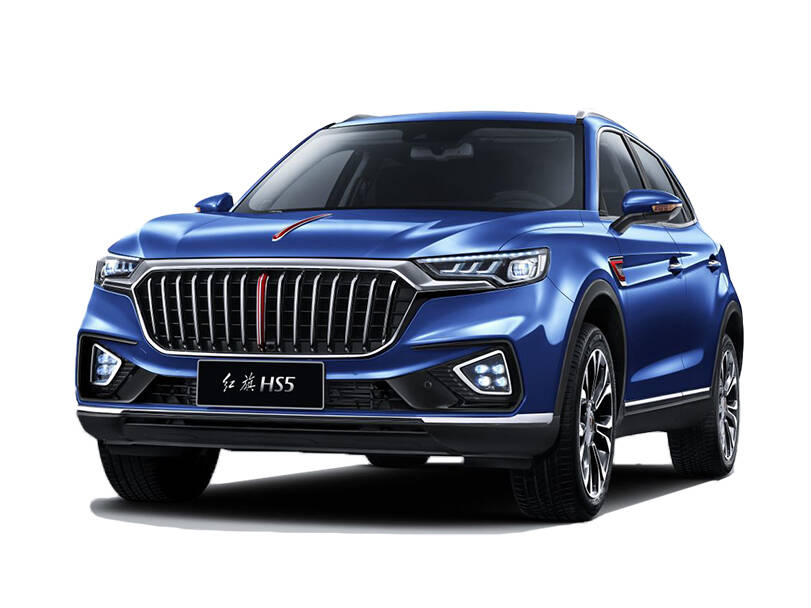
Hongqi HS7 or Hongqi HS5?
The HS7 is the one to buy if you need the length: a bigger boot, a third row on the V6 cars, and a more substantial car on a long highway drive. That is what the extra money buys. The Hongqi HS5 is the smarter purchase for a family of four or five — much cheaper, easier to park, and with a deeper used market behind it when you sell.
What does a Hongqi HS7 cost to run in Saudi Arabia?
A two-tonne all-wheel-drive SUV is not a cheap car to keep, and the V6 widens the gap on fuel and insurance. Ask what a major service costs before you buy rather than after, confirm that driveline components are covered for the full warranty term, and check availability of the tyre size — large-diameter fitments are the running cost owners tend not to budget for.
What should you expect an HS7 to be worth later?
Less than the group average: about 45% of the price after five years, against roughly 52% for Chinese brands here, and about 61% at three years. Bigger, thirstier SUVs fall furthest once fuel and tyres are being paid for by the second owner. For a buyer keeping the car that is not a problem; for one planning to change in three years it is a real cost. Condition and service history decide the eventual number.


 Hi Guest