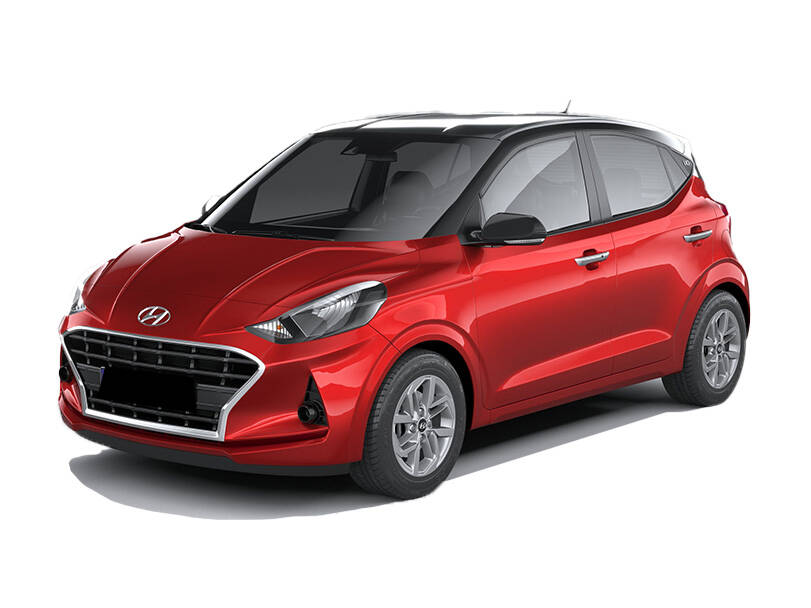
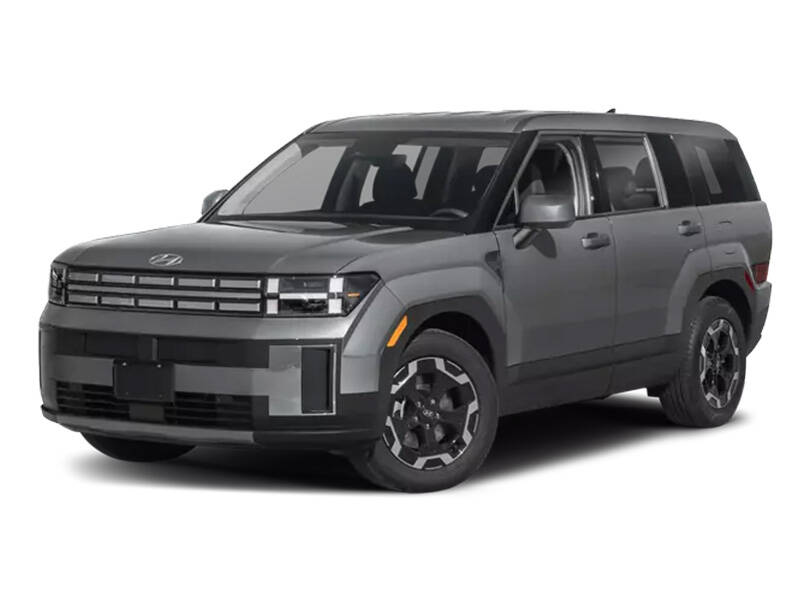
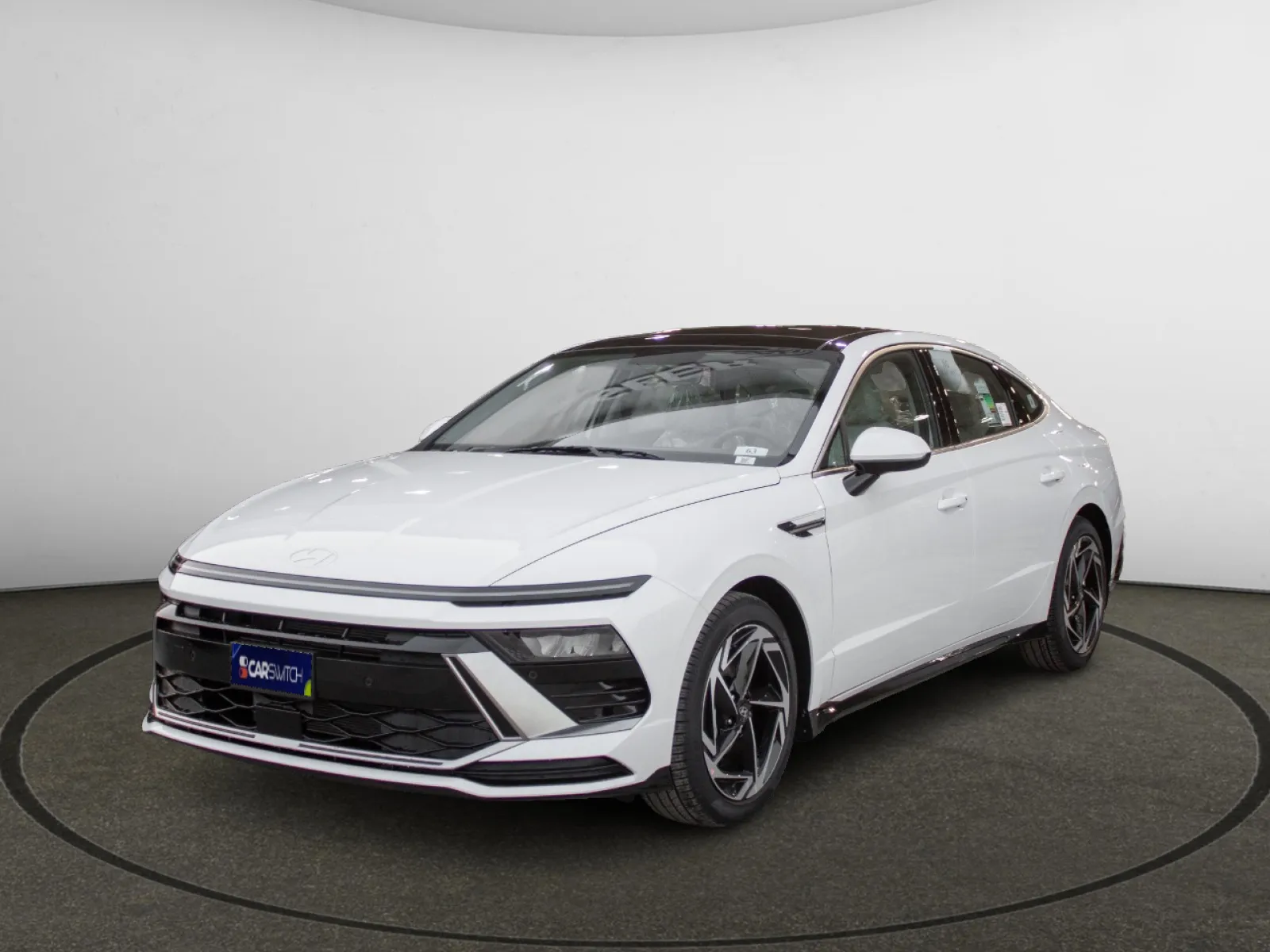
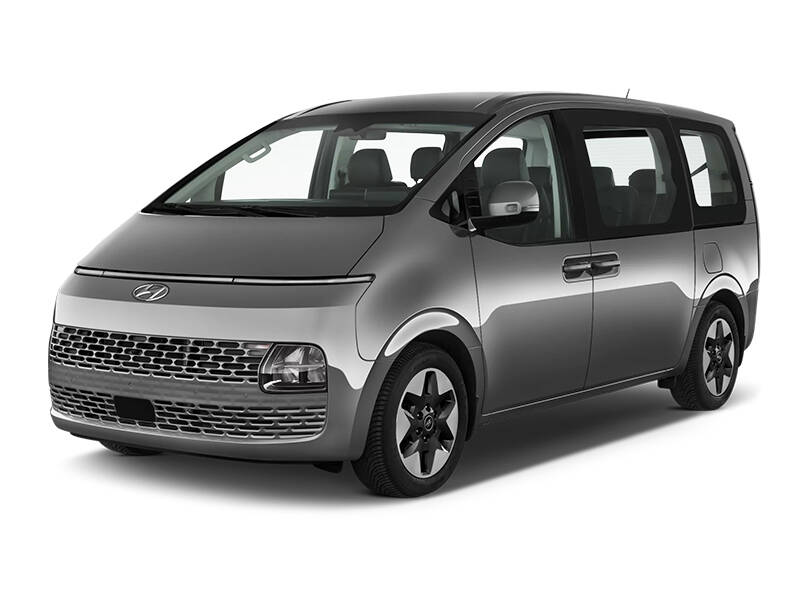
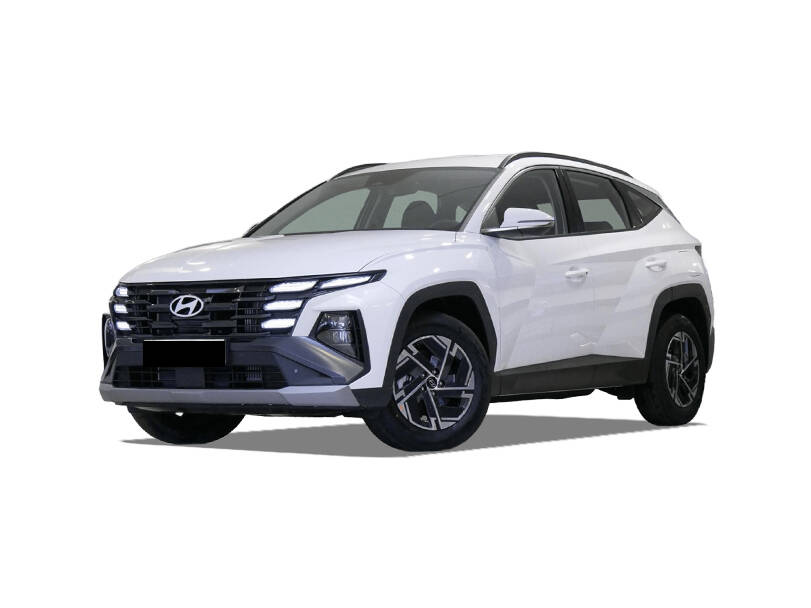
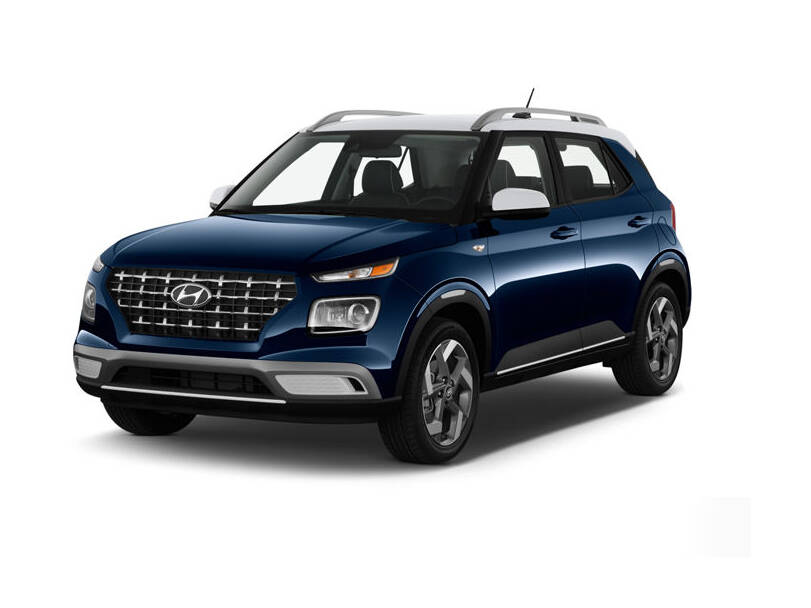
The Hyundai i10 is a compact city car built for affordable, efficient urban driving — one of the most accessibly priced new cars available in Saudi Arabia. The 2026 lineup starts from SAR 52,254, with the range spanning from the Grand L to the Grand L+.
The Saudi-market i10 is powered by a 1.0 L petrol engine producing 67 bhp, paired with a Automatic gearbox suited to city traffic. Fuel efficiency is competitive for its class, keeping day-to-day running costs minimal. The step from the Grand L to the Grand L+ brings additional comfort and convenience features for a modest premium — worth considering for buyers who use the car daily.
Pros: the i10's compact footprint makes it ideal for navigating busy city centres and tight parking, and the automatic gearbox suits urban stop-start conditions well. It offers genuinely low running costs for a new car, with a competitive Hyundai service network across the Kingdom. Cons: the 1.0 L engine with 67 bhp is calibrated for city use — it feels stretched on fast dual carriageways. Rear passenger space is limited for adult occupants on longer journeys, despite the five-seat layout.
No current resale data is available for the i10 in Saudi Arabia, consistent with its position as an entry-level city car with limited used-market depth locally. Buyers should weigh Hyundai's strong KSA dealer and service presence as part of the overall value proposition.
Buyers in this segment typically also consider the Kia Picanto, Chevrolet Spark and Maruti Alto, which compete in a similar price range.
How much does the Hyundai i10 cost in Saudi Arabia?
Barely anything separates the two grades. The Grand L opens the range at SAR 52,254 and the Grand L+ sits just above it at SAR 53,404 — close enough that the higher grade is worth taking simply for the better resale position, since the price difference disappears into the first year of ownership.
Hyundai i10 or Kia Picanto?
The i10 is the more usable of the two: a longer body, a bigger boot and a back seat adults can sit in for a short journey, which is not true of everything in this class. The Kia Picanto is closely related and the sharper-looking car. The Chevrolet Spark is the alternative if the monthly payment is the only figure that matters.
What does a Hyundai i10 cost to run in Saudi Arabia?
Almost nothing, which is the entire proposition. A 1.0-litre engine in a car this light is cheap to fuel, cheap to insure and cheap to shoe with tyres, and there is no turbocharger or complex transmission to fail later. Servicing stays inexpensive whether you use the authorised network or an independent workshop, because there is very little to service.
Does the Hyundai i10 hold its value, and what should you watch for as it ages?
Better than most cars at any price here — about 59% of its value after five years against roughly 52% for Korean cars, and about 72% after three. Cheap, economical transport is always in demand. What ages on a car like this is the body rather than the mechanicals: tight parking spaces and city traffic mean scuffs and panel work are common across the class, so read the inspection report on the individual car rather than assuming a small car has had an easy life.


 Hi Guest