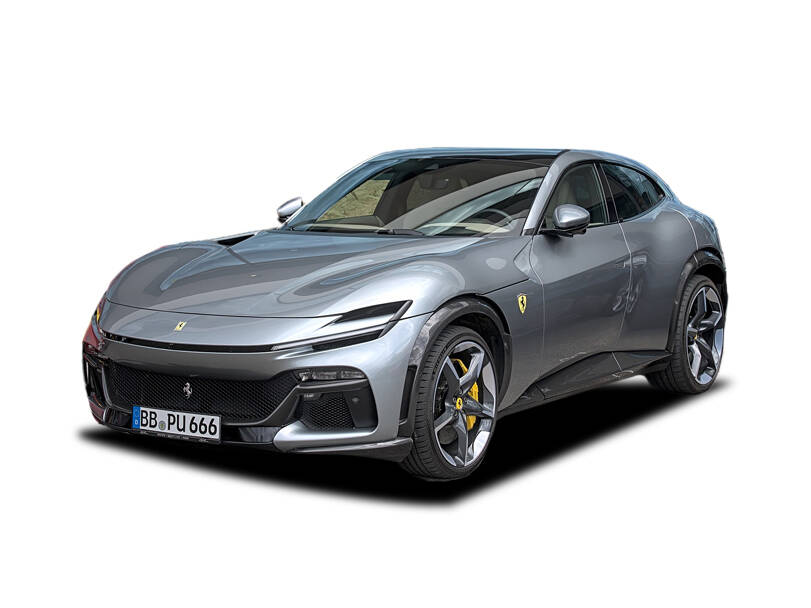
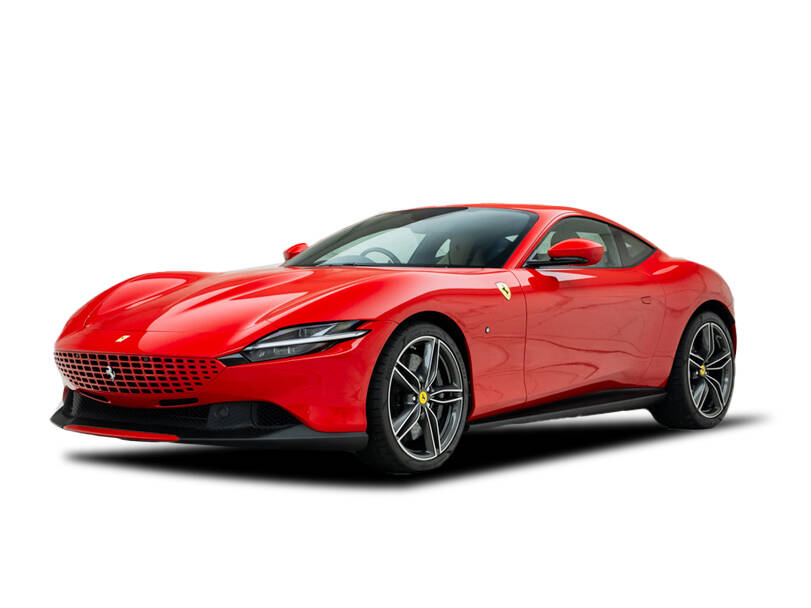
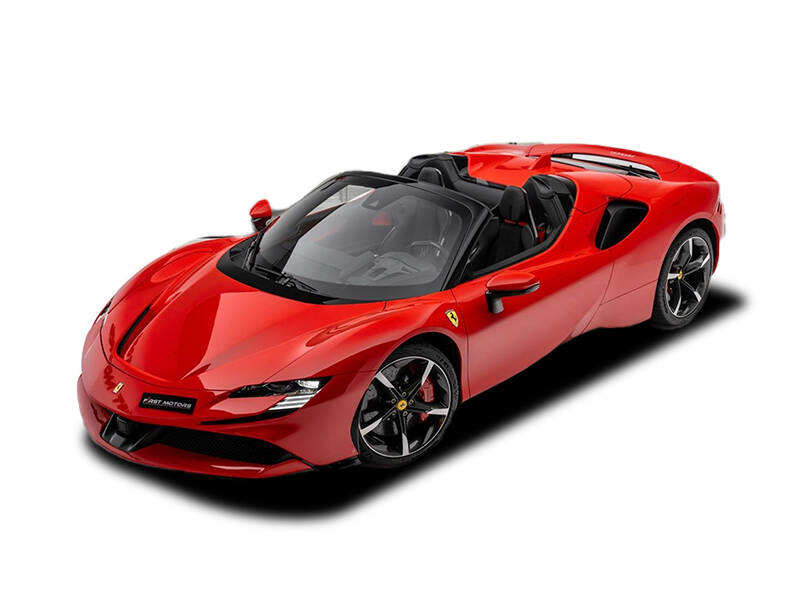
The Ferrari Purosangue is a well-known offering within the Ferrari lineup, recognized for its unique character and appeal among drivers who prefer its design and overall personality. Across different years and versions, the Ferrari Purosangue has maintained a presence in the market thanks to its distinct identity and the driving experience it provides. Whether considered for daily use or specific needs, it remains a model that attracts interest from a wide range of buyers.
How much does the Ferrari Purosangue cost in Saudi Arabia?
One specification is listed for 2026, at SAR 2,200,000, so the price you see is the starting point rather than a range to navigate. Ferrari's options list is where the real variation happens — paint, carbon trim, brakes and interior materials can add a very large amount to that figure, and specification is what separates one car from another on the used market later.
What engine does the Purosangue use?
It uses a naturally aspirated 6.5 L twelve-cylinder engine producing 725 bhp, driving all four wheels through a system that takes drive to the front axle from a separate unit at the front of the engine rather than through a conventional transfer case. That is the whole argument for the car: at a time when almost every rival has turbocharged or hybridised, this is a high-revving, unassisted V12 in a body with four usable seats.
Purosangue or Lamborghini Urus?
The Purosangue is the more special car by a wide margin — the engine has no equivalent anywhere in the segment, the driving position is lower, and it behaves like a fast four-seat Ferrari rather than a fast SUV. The Urus is the more practical choice, with more ground clearance, a bigger boot and a far shorter waiting list.
What does a Purosangue cost to run in Saudi Arabia?
Ferrari's scheduled maintenance programme covers routine servicing for the first years of ownership, which removes most of the surprise from the early running costs. What remains is fuel — a large naturally aspirated twelve-cylinder engine is not efficient at any speed — plus tyres in a size that is neither cheap nor widely stocked, and brakes that are expensive when the carbon-ceramic discs eventually need replacing.
Does the Purosangue hold its value?
It holds about 82% of its price after three years against about 70% for exotic supercars here, and about 71% after five against about 56%, which is exceptional and reflects limited build allocation against very strong demand. Specification drives the difference between individual cars far more than mileage does, so an unusual colour and a well-chosen options list are worth paying for. A CarSwitch inspection report on the individual car confirms the mechanical picture.


 Hi Guest